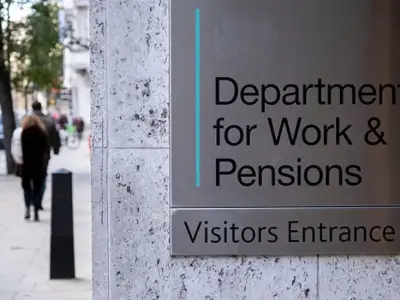
Major changes to the State Pension age are now in motion, set to impact the retirement plans of millions across the UK. The Department for Work and Pensions (DWP) has confirmed the scheduled increase from 66 to 67 will begin next year.
The Phased Increase: What to Expect
The transition to a higher State Pension age of 67 will be fully completed for everyone by 2028. This change was formally established by the Pensions Act 2014, which accelerated the original timeline by eight years.
Crucially, the way the increase is applied has been altered. Instead of a single switch-over date, the change will be phased. If your birthday falls between 6 March 1961 and 5 April 1977, you will become eligible for your State Pension on your 67th birthday.

The government has stated that everyone affected by these changes will receive a letter from the DWP well in advance to allow for adequate retirement planning.
Future Changes and the Upcoming Review
This is not the final planned increase. Under the Pensions Act 2007, a further rise from 67 to 68 is scheduled to be implemented between 2044 and 2046.
The State Pension age is now subject to regular reviews, mandated to occur at least once every five years. The core principle guiding these reviews is that individuals should be able to spend a certain proportion of their adult life in receipt of a State Pension.
New Pension Commission and What Comes Next
In a significant development, the UK Government has recently announced a new Pension Commission. Its remit is to investigate how to boost pension saving, with its findings due to be published in 2027.
This commission will explore several critical areas, including:
- Auto-enrolment saving rates.
- Boosting saving among groups like the self-employed.
- A fresh review of the State Pension age.
Leading this part of the investigation, Dr Suzy Morrissey will report on factors the government should consider regarding the State Pension age. Simultaneously, the Government Actuary’s Department will analyse the proportion of adult life spent in retirement.
The comprehensive review will take life expectancy and a range of other relevant factors into account. Following the review's conclusions, the UK Government may decide to bring forward further changes to the State Pension age. However, any new proposals would require approval from Parliament before becoming law.