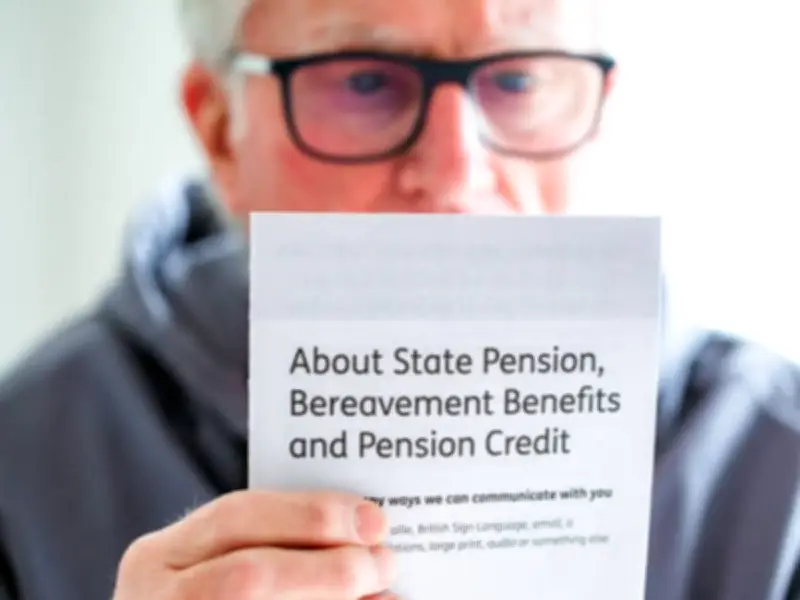
The new Labour government under Prime Minister Andy Burnham is considering bringing forward plans to increase the state pension age to 68, potentially affecting five million people born between 1971 and 1977. The change would require them to wait an extra year before claiming their state pension.
The Department for Work and Pensions (DWP) and Labour are reviewing the timeline for raising the state pension age from 67 to 68. Currently scheduled for between April 2044 and April 2046, the increase could be moved forward to between 2037 and 2039, according to the Office for Budget Responsibility.
Who would be affected?
The change would impact around five million people aged between 49 and 55—those born after 1971 and before 1977. The government is committed to giving at least 10 years' notice before any changes to the state pension age, meaning if announced next year, the responsibility would fall under Burnham's premiership.

Dr Carole Easton, chief executive of the Centre for Ageing Better, described the potential move as “extremely worrying”. She said: “For too many people, their 60s is a time of huge financial stress, living in desperate hope they have sufficient resources to last out until state pension age. The Government should not be looking to extend this suffering.”
Public concerns and expert advice
Rob Perrie, a 55-year-old self-employed builder and part-time DJ from Cheshunt, Hertfordshire, expressed his fears: “I invested in property but I am scared there won’t be any state pension for me when I am old enough. I am throwing as much money as I can into it. I feel like the Government will just keep on raising the state retirement age until you die and you won’t get anything back you’ve paid in.”
Adam Cole of Quilter advised workers not to rely solely on the state pension. “Small, regular pension contributions, combined with tax relief and investment growth over time, can provide valuable flexibility and help reduce dependence on an increasingly stretched state pension system,” he said.