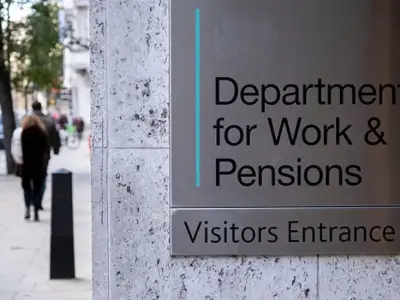
Millions of Universal Credit claimants across Britain are set to receive a significant financial boost following a major law change by the Department for Work and Pensions.
What the new law means for claimants
The recently passed Universal Credit Act 2025 has now become an Act of Parliament, bringing substantial changes to the welfare system. From April 2026, claimants will see their payments increase by 6.2%, translating to an additional £312 per year for single claimants.
This means a single person aged 25 or over will receive an extra £6 per week in their pocket. The reforms are designed to permanently raise the Universal Credit standard allowance above inflation levels, with projections showing it will reach £725 by 2029/30 for single claimants.

Enhanced support for vulnerable groups
The legislation also provides additional protection for those most in need. All current recipients of the Universal Credit health element, along with new claimants who have 12 months or less to live or meet the Severe Conditions Criteria, will see their combined standard allowance and health element increase at least in line with inflation annually from 2026/27 to 2029/30.
The DWP stated that these changes will ensure vulnerable claimants "can live with dignity and security", knowing the welfare system will provide consistent support.
Investment in employment support
Alongside the payment increases, the government is making a £3.8 billion investment in employment support for sick and disabled people over the current Parliament. This funding will accelerate new employment support programmes, building on successful initiatives like the Connect to Work programme.
The DWP explained: "This investment will accelerate the pace of new investments in employment support programmes, building on and learning from successes such as the Connect to Work programme, which are already rolling out to provide disabled people and people with health conditions with one-to-one support."
Charity expresses concerns
Despite the positive changes, concerns have been raised by anti-poverty charities. Thomas Lawson, CEO of Turn2us, warned: "MPs voted to reduce support for people unable to work by over £200 a month. Halving the health element of Universal Credit for anyone who becomes sick from April 2026 will increase hardship and mean even more people are going without essentials."
Mr Lawson called for a comprehensive review of the entire system, emphasising that "in a country as wealthy as ours, sickness should never mean hunger or eviction."
The DWP has committed to engaging widely over the summer to design the review process, ensuring expertise from various perspectives is incorporated into future welfare reforms.