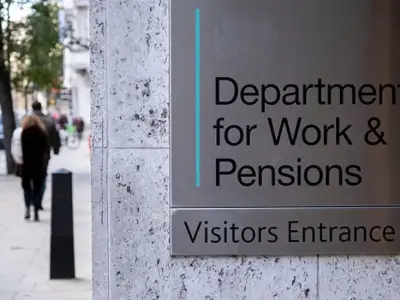
Significant changes to the Universal Credit system are scheduled to take effect from April 2026, following the recent passage of the Universal Credit Act 2025. The Department for Work and Pensions (DWP) has confirmed that these reforms will result in a substantial cash increase for nearly four million claimant households across the UK.
Key Financial Changes and Payment Increases
The central pillar of the new legislation is a permanent increase to the Universal Credit standard allowance. This core payment will rise above the rate of inflation for the next four years. For a single adult aged 25 or over, this is projected to be worth an estimated £725 more by the 2029/30 financial year.
Alongside this uplift, the government is rebalancing the health top-up element of the benefit. From April 2026, the health top-up for new claims will be reduced to £50 per week. However, important protections are in place for existing and vulnerable claimants.

Protections for Disabled and Vulnerable Claimants
The reforms introduce specific safeguards to protect those with the most severe needs. All existing recipients of the Universal Credit health element will continue to receive the higher payment after April 2026.
This protection also extends to any new claimant who meets the Severe Conditions Criteria or has their claim considered under the Special Rules for End of Life (SREL). Furthermore, individuals with the most severe and lifelong conditions will be exempt from reassessment.
A new "Right to Try Guarantee" has also been established for those with a disability or health condition. The DWP states this measure is designed to protect around 200,000 people in the Severe Conditions Criteria group, ensuring they can "live with dignity and security."
Investment in Employment Support
These changes to the welfare system are accompanied by a major investment in employment support. The government is allocating £3.8 billion over the Parliament for tailored employment, health, and skills support.
This funding is part of the Pathways to Work guarantee and aims to help disabled people and those with health conditions enter the workforce. The DWP has indicated it will build on successful existing programmes, such as Connect to Work, to provide one-to-one support when individuals feel ready to work.
The department has committed to a co-production process over the summer to design the review, drawing on a wide range of expertise to shape the final implementation of these significant reforms.