The long-running dispute over state pension changes for women born in the 1950s is heading for a dramatic showdown in the High Court this December, with the WASPI campaign issuing a significant new update.
Legal Battle Looms Over Compensation Refusal
The Women Against State Pension Inequality (WASPI) campaign has confirmed it is preparing for a crucial judicial review after the Labour government announced in December it would not pay compensation, despite a damning report from the Parliamentary and Health Service Ombudsman.
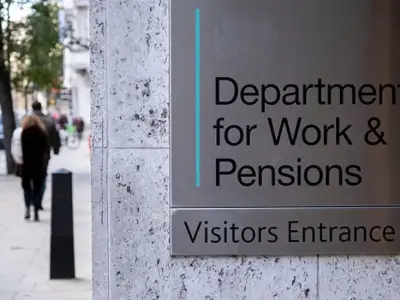
Last March, the Ombudsman concluded that the Department for Work and Pensions (DWP) should pay compensation to women affected by the way changes to their state pension age were communicated. While the pension age was gradually raised to equalise it with men, the campaign argues that millions of women were not given adequate notice of the changes, impacting their retirement plans.

Government's 'Unlawful' Reasoning Under Scrutiny
WASPI campaign chair Angela Madden stated that the government will be on "a sticky wicket" when the case is heard. She expressed confidence that the court will overrule the government's current justification for refusing compensation.
"They certainly can't use the same reasons from before because those reasons will have been deemed as unlawful," Mrs Madden said. "They can't just do it. But they could review the report yet again and come up with something completely different."
She questioned why, if the government had other valid reasons for denying compensation, they had not presented them already. The judicial review in December will scrutinise the lawfulness of the government's decision. While a successful challenge would not automatically force the DWP to pay compensation, it would invalidate the reasoning provided so far.
'Gaslighting' Claims and a Call for Resolution
Mrs Madden accused the government of "gaslighting" the affected women, stating: "The government has accepted that 1950s-born women are victims of maladministration, but it now says none of us suffered any injustice. We believe this is not only an outrage but legally wrong."
She expressed the campaign's preference for a negotiated settlement, saying: "We have been successful before and we are confident we will be again. But what would be better for everyone is if the secretary of state now saw sense and came to the table to sort out a compensation package."
The alternative, she warned, would be for the government to continue "defence of the indefensible but this time in front of a judge."
A DWP spokesperson previously stated: "We do not comment on live litigation. We accept the Ombudsman’s finding of maladministration and have apologised for there being a 28-month delay in writing to 1950s-born women. However, we do not agree with the Ombudsman’s approach to injustice or remedy and that is why we have decided not to pay compensation."