Birmingham's political landscape has been transformed forever. At the last city council election in 2022, Labour and the Conservatives dominated with 87 of 101 seats. Now, just four years later, those two parties hold only 33 seats combined. The dual hegemony is over.
The outcome of the May 7 elections reflects the diversity that makes Birmingham unique, where differing views, values, ethnicities, and personalities coexist. No single vision has prevailed, which could lead to chaos or, optimistically, forced harmony.
Reform UK is now the largest party with 22 seats, having never held a seat in Birmingham before. The Greens surged to 19 seats from two, while Labour retained 17 seats amid a massive anti-Labour vote. The Conservatives hold 16 seats, and the Liberal Democrats remain at 12. Thirteen Independents were elected, including three Labour defectors who defeated official Labour candidates.

Coalition talks are underway as parties with 12 or more seats seek alliances to form a majority or minority leadership.
Key Takeaways
1. Labour Critically Wounded; MPs Next
Labour's retained seats owed nothing to Keir Starmer or prominent local MPs, who have been absent as cheerleaders. Retiring Labour member Phil Davis said many in the group felt the national leadership abandoned local councillors and damaged their prospects. The bin strike and council financial crisis overshadowed positive achievements. Labour must rebuild to avoid anti-Labour sentiment continuing into the 2028 mayoral election and the next general election. Notably, no Labour councillor remains in Laurence Turner's Northfield constituency (now Reform stronghold) or Jess Phillips' Yardley seat (now seven Lib Dems, two Reform, one Green). In Selly Oak (Al Carns' seat), only one Labour councillor remains. Home Secretary Shabana Mahmood's Ladywood constituency now has just three Labour councillors, with the rest Independents or Greens.
2. Reform Delivered a Tremor, Not Earthquake
Reform hoped to be the biggest party but fell short of a clear mandate, ending with 22 seats. They dominated in predominantly white working-class areas in the southwest and northwest, creating a cluster around Northfield that will alarm Labour MP Laurence Turner. However, they were rejected by inner-city global majority wards. Reform stated they are proud to be the largest party but acknowledged a majority was always tough. They now focus on establishing their group and formalizing leadership.
3. Greens Cockahoop but Might Have Done Better
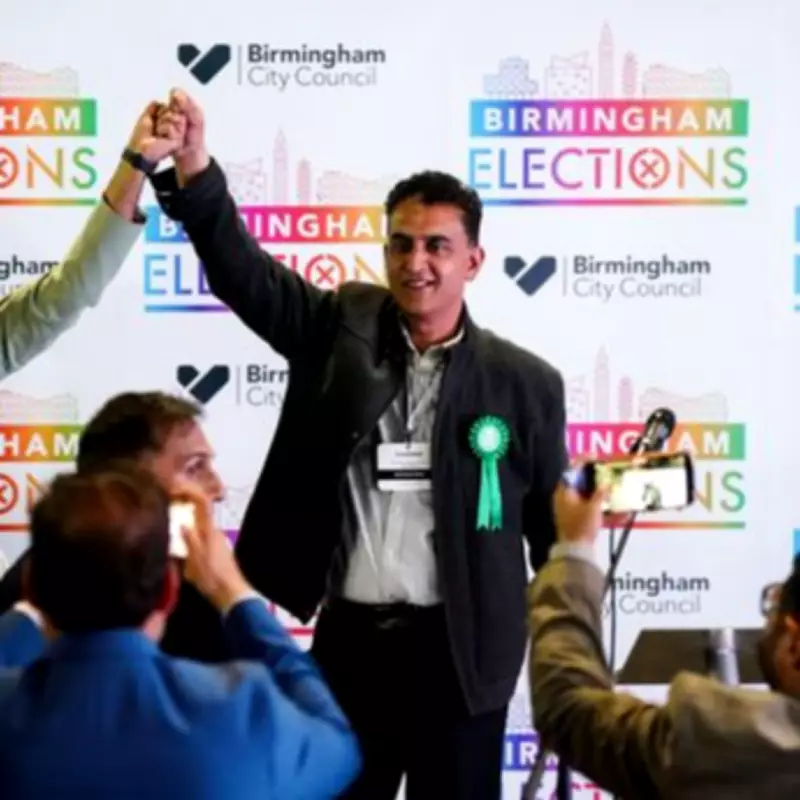
The Greens won 19 seats, with visible celebrations at the count. They narrowly missed additional seats, losing Bournville and Cotteridge by three votes. The party had limited funding and only belatedly fielded a full slate of 101 candidates. Elected Greens include young candidates like Ali Kazi and activists Siobhan Harper-Nunes, Kammel Hawwash, Corinne Fowler, and Jane Baston.
4. Turnout Up, Great for Democracy
Turnout in some wards approached 50%, significantly higher than 2022, defying fears of disinterest. Most voted in person, though half of eligible voters still did not participate.
5. Death of Tories and Lib Dems Exaggerated
Both parties retained seats and strongholds. The Tories swept every seat in Sutton Coldfield, taking two Labour seats. The Lib Dems performed well in Yardley. Both must now engage in diplomacy to wield influence. The Tories could potentially ally with Reform for a right-wing coalition (38 seats, 13 short of a majority), but many, including former mayor Andy Street, counsel against it. Reform says it won't enter coalition. The Lib Dems, with 12 seats, are seen as honest brokers for a progressive coalition with Greens, some Independents, and Labour. They have made the first move by announcing their leader and issuing six value statements.

6. Independents Have Decisions to Make
Thirteen Independents won seats, making them the fifth-largest group if combined. Three are disaffected Labour supporters who quit the party. Others, like Nosheen Khalid and Shaukat Mahmood, have ties to Jeremy Corbyn and Your Party. Controversial duo Akhmed Yakoob and Shakeel Afsar celebrated independent successes, though most candidates under their Independent Candidate Alliance lost. Yakoob said the goal of removing Labour was achieved and he now advises elected Independents, who may elect a leader or spokesperson. They might decide not to join any coalition.