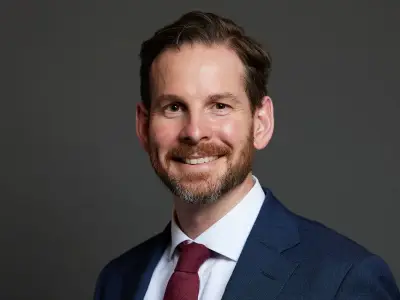
Andy Burnham has voiced support for changes to the council tax system, describing the current rules as unfair and outdated. His comments come as the Prime Minister has also criticised the existing framework, hinting that a revamp could be on the horizon.
Most homes across England have not been revalued for more than 30 years, meaning current council tax bills are based on property values from the 1990s. Burnham argued that this has led to inconsistencies, with some homeowners in larger properties in London paying less than those in other parts of the country.
Outdated banding system under fire
Homes are placed into bands ranging from A to H based on their value in the 1990s, with the typical property sitting in Band D. The average Band D bill in England currently stands at £2,392. Critics argue that this system fails to reflect changes in property values over the past three decades.
Burnham, the Mayor of Greater Manchester, told the BBC: "There are people here in Greater Manchester who pay a much higher council tax than people living in much larger homes in London. So the Chancellor before, Rachel Reeves, was right to start to reform council tax to create some fairness there in relation to people in homes that are of much greater value who haven't seen their council tax go up over the years because of the failure to revalue the banding."
Uncertainty for households
Any shake-up of the system would bring uncertainty for households across the country. While some could see their bills reduced, others could face significantly higher payments. This could come as a particular shock to those living in more expensive homes or properties that have soared in value due to renovation works.
The Prime Minister has been a vocal critic of the existing system, but it remains unclear if or when he plans to introduce an overhaul. His comments suggest that any changes could potentially come after the next election, similar to the planned adjustment of the state pension triple lock.
Manifesto commitment concerns
Burnham has so far been careful to avoid major policy changes that were not included in the Labour 2024 manifesto. He added: "If I was to bring forward any changes people would rightly say 'is this consistent with that (2024) manifesto?' so there are big decisions ahead."
The Prime Minister's remarks indicate that while reform is seen as necessary, the timing and scope of any changes remain subject to political considerations. Households in higher bands could face increased bills if revaluation goes ahead, while those in lower bands might see reductions.