The Department for Work and Pensions (DWP) is set to adjust the state pension triple lock from 2030, a change that could leave people born between 1965 and 1980 thousands of pounds worse off, according to wealth manager Quilter.
A 56-year-old could receive around £49,000 less in today’s money over a 20-year retirement, Quilter has found. Although this figure is higher than the impact on today’s pensioners, Generation X still has limited time to adjust their retirement planning before they reach the DWP state pension age.
Triple lock change from 2030
Quilter found that, rather than the wage growth figure currently used to determine the triple lock, from 2030 it could increase by 2.5% a year instead. That is if inflation stays around the Bank of England’s target of 2% a year. It would mean lower than a potential increase of 3.4%, which is the assumed rate the state pension could rise if the triple lock wasn’t axed.
Quilter used these assumptions to look at the impact of the policy change on people who are currently aged between 66 and 26.
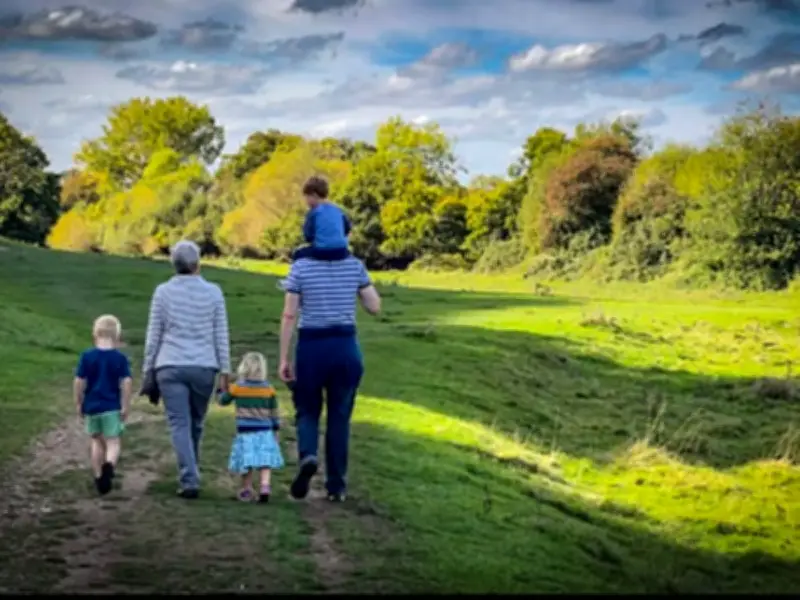
Generation X faces retirement savings gap
Emma Furlonger said: “Many are now within touching distance of retirement, having experienced the decline of defined benefit pensions during their working lives, and some are approaching later life with significant gaps in their retirement savings.”
“That gives them less time than younger generations to make up any shortfall,” she added.
Triple lock sustainability questioned
Adam Cole, a retirement specialist at wealth manager Quilter, said: "The triple lock has undoubtedly succeeded in improving pensioner living standards and protecting retirees through periods of high inflation, but growing longevity, demographic pressures and rising state pension costs mean questions about its long-term affordability and sustainability can no longer be avoided."
"For too long, reform has been tossed from government to government like a hot potato that no-one wants to keep," Cole continued.
"However, any discussion about reform must begin with a clear understanding of how important the state pension remains to millions of people," he said.
Quilter's latest retirement lifestyle report shows the state pension accounts for almost a quarter of retirement income on average. Among retirees aged 65 to 79 with incomes of £25,000 or less, it provides 57% of their retirement income. For over-80s on below-average incomes, it accounts for 54% of what they live on.
Cole concluded: "This is not simply a debate about public spending, but about the financial security of current and future retirees."