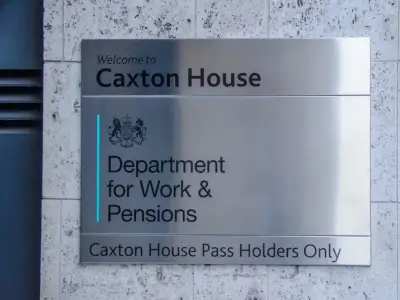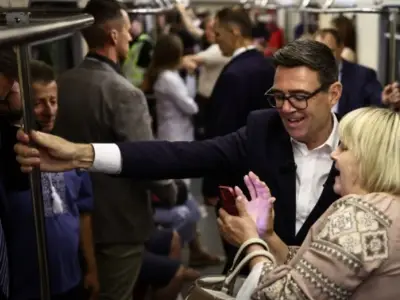
Andy Burnham is set to unleash a major HMRC income tax shake-up from Monday as he becomes Prime Minister, with plans to hand billions of pounds of income tax revenue to Labour mayors across England. The Labour Party leader will enter Number 10 Downing Street on July 21, 2026, and Treasury officials have prepared an income tax-sharing proposal to be presented to him in his first days in office.
Devolution Strategy Accelerates
Mr Burnham, MP for Makerfield, is expected to accelerate plans to give more power to mayors as part of his devolution strategy. The proposal would see English mayors receive a share of income tax revenue collected from their respective areas. This marks a significant shift in fiscal policy, devolving tax-raising powers from Westminster to regional authorities.
However, the Institute for Public Policy Research (IPPR) has warned that Mr Burnham risks creating a “two-tier” England if he does not speed up the creation of mayoral authorities. In a statement, the IPPR said: “The new government should ensure that every part of England benefits from agreeing a devolution settlement before the end of this parliament, stepping in if required to help tackle local gridlock. Leaving large gaps risks creating a two-tier England in which opportunities and the benefits of devolution depend on geography rather than need.”

Economic Implications
Aditi Sriram, an economist at the IPPR, told The Telegraph: “If mayors take on the risk to deliver projects, they can benefit from the upside when there are higher receipts.” She added that economists had an “ambition to make sure there is no devolution island” in areas that do not have mayors. The income tax-sharing plan is designed to incentivize mayors to drive local economic growth, as they would directly benefit from increased tax revenues.
On Friday, Mr Burnham declared “I have a plan” to give people “hope back” and set a political direction that is “distinctively Labour” as he officially became the party's new leader. In his acceptance speech, he vowed to “build a new politics” with less division and factionalism, saying the party needed to unite if it was to thwart “Britain's new right.” He repeated his commitment to devolve power away from Westminster to give people “more power over life's essentials.”
Reactions and Next Steps
The announcement is expected within days of Mr Burnham taking office, with Treasury officials finalizing the details. Critics warn that the plan could lead to disparities between regions with and without elected mayors, while supporters argue it will empower local leaders to address regional needs more effectively. The IPPR’s warning highlights the urgency of expanding mayoral authorities to cover all of England to avoid a fragmented system.