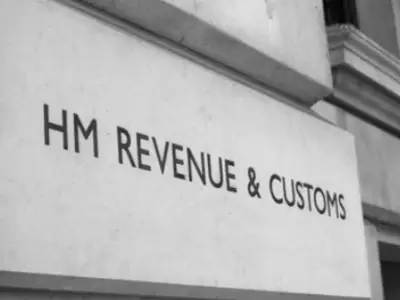
Andy Burnham and Chancellor John Healey are expected to consider raising inheritance tax and capital gains tax in the upcoming Budget, according to financial experts. The Treasury is under pressure to generate revenue for spending pledges without increasing the main taxes already ruled out by the Government.
Inheritance tax and capital gains tax under scrutiny
Healey will deliver his first Budget on October 28, with the new Government facing the challenge of funding its commitments. Speculation has been building over which areas Downing Street could target for tax rises.
With Andy Burnham having ruled out increases to income tax, VAT and National Insurance, the Treasury is likely to look at other areas instead. This could include inheritance tax and capital gains tax.

Michele Tieghi, financial expert at psyfi money, said: "Changes to capital gains and inheritance tax remain much more of a possibility, with this having been frequently discussed by experts in the past as an easy way to raise revenue."
Possible changes to capital gains tax
According to Tieghi, the Government could make several adjustments to capital gains tax. These include reducing exemptions, increasing rates, restricting Business Asset Disposal Relief, and altering reliefs for entrepreneurs.
"For capital gains tax, they could reduce exemptions, increase rates, restrict Business Asset Disposal Relief, and alter reliefs for entrepreneurs," Tieghi said.
Inheritance tax reforms considered
When it comes to inheritance tax, Tieghi outlined potential changes: "Andy Burnham's Government could tighten trust rules, alter gifting exemptions, reduce reliefs, and increase compliance."
Tieghi noted that Labour has repeatedly committed not to raise income tax, national insurance rates, or VAT, making such increases unlikely. "It would be a huge shock for them to do so; for this reason, these remain unlikely," he said.
Fiscal drag and wealth tax possibilities
However, Tieghi added that the Government could still find ways to increase revenue without directly raising those taxes. "Freezing thresholds, personal allowances, and reducing allowances for higher earners will allow fiscal drag to become a major source of extra revenue," he explained.
Regarding a wealth tax, Tieghi described it as a "hot topic in recent months" but said it remains unlikely due to practical and political difficulties. He explained that such a tax could be implemented by taxing income above a certain level of wealth, for example, an annual tax of two per cent on wealth above £10 million.
"However, critics say that it is difficult to implement due to complex administration around how assets are valued, and that the tax itself often brings in less than expected," Tieghi concluded.