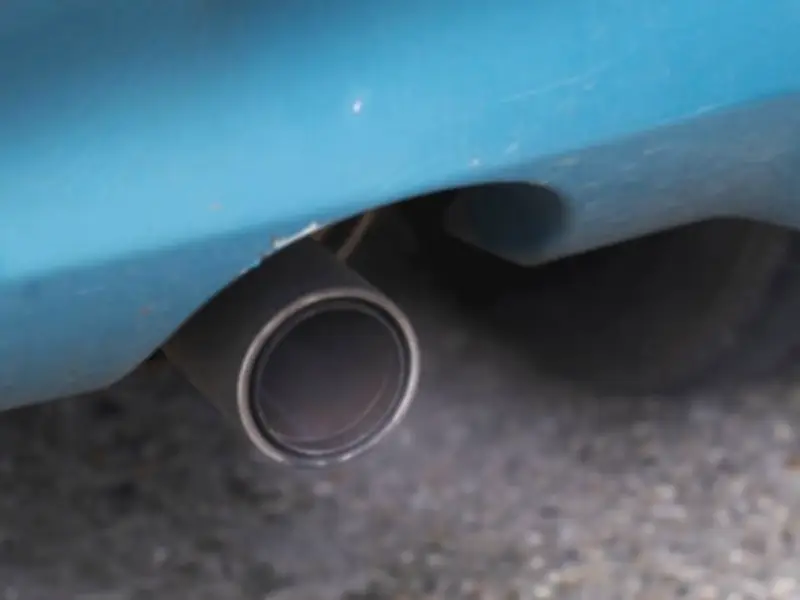
Drivers in Scotland could face larger fines for leaving their engines running unnecessarily, as an environmental watchdog demands tougher enforcement of idling laws. Environmental Standards Scotland (ESS) has issued an Improvement Report to the Scottish Parliament, arguing that the current legal framework is not a strong enough deterrent against this avoidable source of air pollution.
Current Penalties and Proposed Changes
Under the Road Traffic (Vehicle Emissions) (Fixed Penalty) (Scotland) Regulations 2003, local councils can issue drivers a £20 fixed penalty notice for unnecessary engine idling. However, ESS chief executive Mark Roberts stated: "Our work has concluded that the current legal framework intended to tackle engine idling may not be acting as a strong enough deterrent." The report requires Scottish Ministers to outline how they will ensure the law works effectively to reduce harmful emissions.
Health Impact of Air Pollution
Outdoor air pollution is linked to between 1,800 and 2,700 deaths each year in Scotland. Children are particularly vulnerable because their airways are smaller and still developing, and they breathe faster than adults, taking in more polluted air relative to their size. This leads to increased hospital admissions for children with lung conditions such as asthma and chest infections. Air pollution also contributes to stroke, heart disease, lung cancer, and respiratory problems.

Benefits of Switching Off Engines
Turning off your engine when stopped reduces health risks, saves fuel, and helps create cleaner air. ESS encourages drivers to switch off whenever possible, use public transport for short trips, and walk, wheel, or cycle as alternatives.