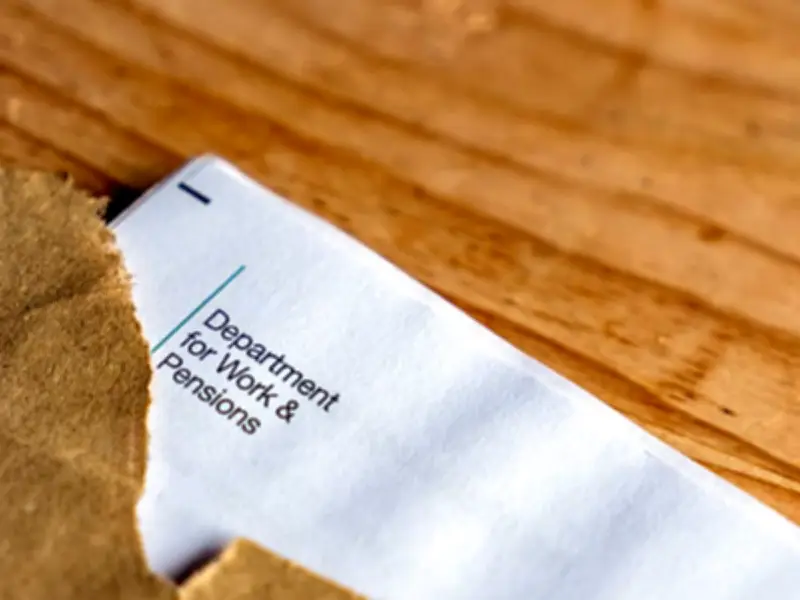
The Department for Work and Pensions (DWP) has launched a new crackdown on benefit fraud and debt, sending warning letters to thousands of claimants, including state pensioners, over the coming weeks.
New Powers to Pursue Outstanding Debts
The tough measures focus primarily on Universal Credit and Pension Credit. People who are in debt will be urged to engage with the DWP and repay what they owe before direct action is taken from October. This could include direct withdrawals from bank accounts or even driving bans.
The DWP says firm action is necessary to save billions wasted on fraud and wrongful payments each year. However, concerns have been raised that vulnerable people may be mistaken for those deliberately refusing to pay.

Closing the Loophole
The DWP stated: "Previously, the DWP had few options to pursue people who were no longer claiming benefits or in PAYE employment, meaning some who could afford to repay were simply choosing not to. That loophole is now closed."
Work and Pensions Minister for Transformation Andrew Western said: "Hardworking taxpayers deserve a system that pursues those who deliberately dodge their debts, and that is exactly what these new powers deliver. To anyone with an outstanding debt - our door is open and DWP will always work with you to find an affordable way to repay. But for those who can pay and won’t - we’re going further than ever before to claw back cash and crack down on fraud."
Concerns for Vulnerable Claimants
Rebecca Lamb, external relations manager at Money Wellness, said: "People who deliberately avoid repaying debts should be held accountable. Our concern is making sure that people experiencing vulnerability aren't mistaken for people who are refusing to engage. Many of the people we support are dealing with serious illness, poor mental health, caring responsibilities or financial hardship. Some struggle to understand complex correspondence. Others are overwhelmed by their circumstances and stop opening letters altogether. From the outside, that can sometimes look like non-engagement. In reality, it can be a sign that somebody needs support."
Those unable to repay or worried about the issue are advised to speak to officials about their situation rather than ignoring the letters.