West Midlands Mayor Andy Street has issued a robust defence of his record in office, arguing that his administration has conclusively proven its ability to deliver for the region. In a wide-ranging statement, the Conservative mayor pointed to significant achievements in transport, housing, and skills, while also setting out his stall for the ongoing fight for greater powers from Westminster.
A Record of Delivery on Key Promises
Andy Street, who was first elected in 2017 and is now serving his second term, emphasised that the West Midlands Combined Authority (WMCA) under his leadership has moved beyond promises to tangible results. He stated that the region has demonstrated a clear capacity to manage complex projects and large-scale investment effectively.
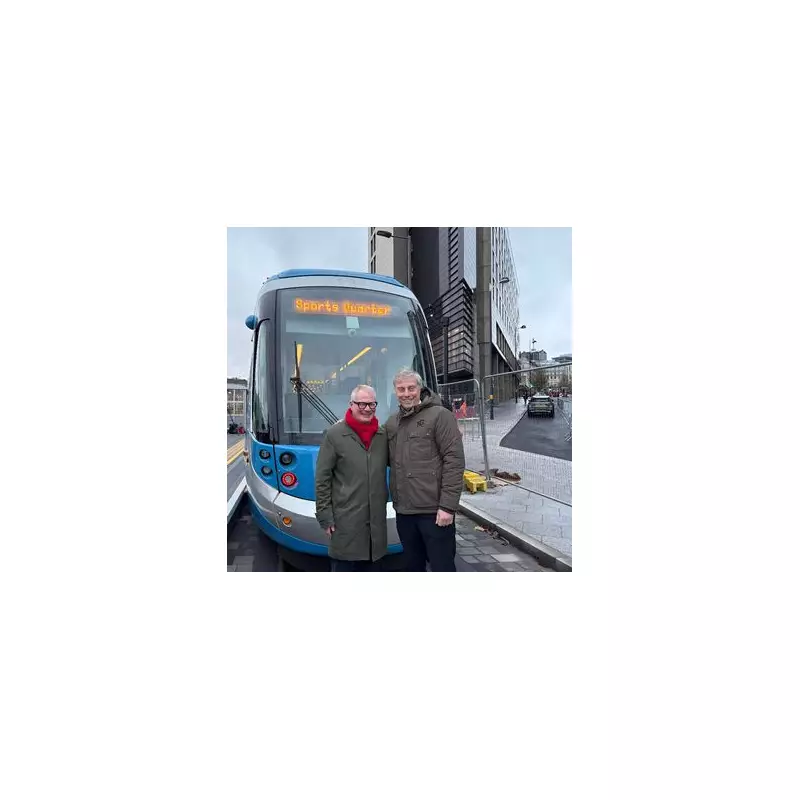
Major transport projects were cited as a cornerstone of this success. Street highlighted the ongoing extension of the Midland Metro tram network, including new lines to Wolverhampton railway station and Dudley. He also pointed to the re-opening of railway stations at places like Moseley and Kings Heath, and the continued development of the Very Light Rail initiative in Coventry as evidence of a connected, forward-thinking strategy.

Beyond the rails, the Mayor stressed progress on housing, a critical issue for the region. He claimed that housebuilding rates in the West Midlands are among the highest in the UK outside of London, with a strong focus on brownfield development. "We've shown we can build the homes people need, while protecting our precious Green Belt," he asserted.
The Battle for Greater Devolution
A central theme of Street's message was the urgent need for further devolution of powers and funding from central government. He argued that the region's proven track record makes it the ideal candidate for more control over its own destiny.
The Mayor expressed frustration with the pace of devolution in England compared to other parts of the UK. He called for a significant shift, proposing that the West Midlands should gain powers similar to those held by the Mayor of London. Key areas he identified for deeper devolution include:
- Transport funding: Greater long-term control over budgets for local networks.
- Skills and training: Tailoring education and apprenticeship schemes directly to the needs of local employers.
- Housing and planning: Further streamlining to accelerate regeneration projects.
Street positioned this not as a request for favour, but as a logical next step given the region's delivery credentials. "We have the evidence. We have the competence. Now we need the tools to go further," he said.
Looking Ahead: Challenges and the Political Landscape
While celebrating achievements, the Mayor did not shy away from the significant challenges facing the West Midlands. The rising cost of living, pressures on public services, and the need for continued economic regeneration were all acknowledged as priorities for the coming period.
His statement also carried a clear political undercurrent. As a prominent Conservative figure leading a region with many Labour-controlled councils, Street is often seen as a test case for the Tory party's appeal in urban areas. His emphasis on practical delivery over political ideology is a consistent part of his public persona.
By laying out his record and his demands for more power, Andy Street is clearly defining his platform for the future. His argument is simple: the West Midlands has earned the right to greater autonomy through its actions, and the focus must remain on concrete results for the people who live and work there. The coming months will show how this case resonates both in the corridors of Whitehall and with the electorate of the region.