Plans for a major new student accommodation tower in Birmingham city centre have been thrown out by local councillors, following significant concerns over the impact on the area's historic character.
Heritage Harm Outweighs Benefits, Say Councillors
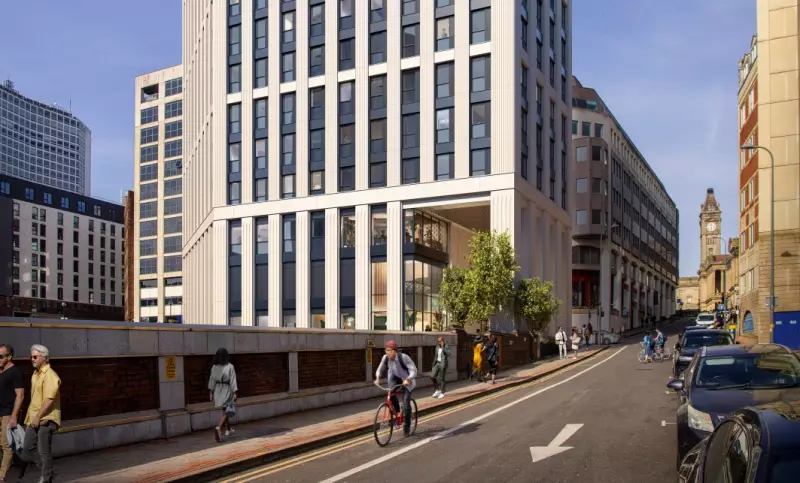
The proposed 16-storey development, which would have provided 263 student bed spaces on the former site of the old Golden Eagle pub at the corner of Swallow Street and Hill Street, was refused at a Birmingham City Council planning committee meeting. The decision, made last month, centred on fears that the tower would cause unacceptable harm to nearby designated heritage assets.
Council officers had previously acknowledged in a report that the scheme would cause "less than substantial/low level" harm to historic buildings including the iconic Town Hall and The Former General Post Office. However, they argued that the public benefits of the project, including a demonstrated need for purpose-built student accommodation and the regeneration of a brownfield site next to Birmingham New Street station, were sufficient to outweigh this harm.

New York Comparison Highlights Cumulative Fears
This argument failed to convince a majority of the planning committee. Councillor Gareth Moore stated his position had "remained unchanged," emphasising that clear heritage harm existed and that there was no proven need for more student accommodation in a city not "awash with homeless students."
Councillor Philip Davis raised a striking comparison, warning of an "incremental impact" on the local environment. "When you go to New York, what you see are heritage buildings totally enclosed by massive skyscrapers," he said. "I’m not saying we’re on the verge of that yet in Birmingham but the problem is the absence of a proper framework to manage that."
In contrast, the committee's chair, Councillor Lee Marsham, posed a counter-question: "This is a brownfield site next to a train station – if we’re not going to build here, where are we going to build?"
Viability and Need Arguments Fail to Secure Approval
Officers present at the meeting stressed that the application before them had already been significantly reduced from an initial 45-storey proposal to a scheme that minimised harm while remaining viable. They also confirmed that the developers had sought legal advice from a barrister, who supported the assessment of 'less than substantial' harm.
Despite these points, the committee ultimately voted to refuse the application. The council report had noted the scheme would contribute to regeneration aspirations for that part of the city centre, but councillors concluded that the potential damage to Birmingham's historic landscape was too great a price to pay.
The refusal marks a significant decision in the ongoing debate about balancing modern development needs with the preservation of Birmingham's architectural heritage in its rapidly evolving core.