An ambitious £1.9 billion project destined to reshape the heart of Birmingham has entered a pivotal new stage, marking significant progress for the city's future.
Uncovering Birmingham's Medieval Past
This week, Birmingham City Council confirmed that archaeological investigations have commenced on the former wholesale market site. This work, led by Cotswold Archaeology on behalf of the council and development partner Lendlease, signifies an important new phase for the vast Smithfield regeneration scheme.
The excavation aims to delve into the area just north of the city's former moated manor, once the home of the Lords of Birmingham. The council has stated that any findings will be carefully documented and preserved according to national guidelines, offering a unique glimpse into the city's medieval origins before construction begins.

This crucial archaeological work is scheduled to continue until mid-December 2025, with the main redevelopment work set to start early next year.
A Vision for a Landmark Destination
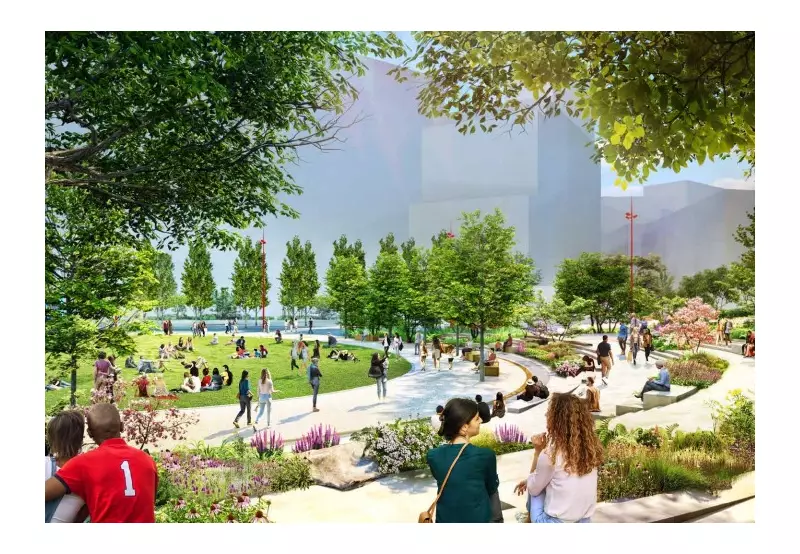
Described as a once-in-a-generation initiative, the Smithfield project plans to completely transform the area into a vibrant landmark. The approved plans include:
- New homes
- Retail and leisure facilities
- A market complex
- Civic squares and a park
Selina Mason, director of masterplanning for Birmingham Smithfield Lendlease, emphasised that momentum is really building. She stated, This excavation marks another important step forward. The medieval manor and market is at the heart of Birmingham's most historic area... honouring that heritage is central to Birmingham's regeneration.
Councillor Sharon Thompson, deputy Leader at Birmingham Council, reinforced this sentiment, calling Smithfield one of the most significant regeneration projects in the city's history and highlighting the commitment to building its future on a deep respect for its past.
Navigating Financial Challenges
Despite the overwhelming optimism surrounding the project's potential to positively impact Birmingham, the scheme has faced financial headwinds. An outline business case revealed earlier this year detailed the need to streamline certain proposals to meet budget constraints.
This has resulted in changes, such as combining the planned Art Shed cultural building and the Round House music venue into a single structure instead of two separate buildings.
The council attributed these adjustments to wider, viability pressures, including higher inflation during 2022-24. A key factor was a directive from government-appointed commissioners, who were brought in after the council declared effective bankruptcy in 2023. The commissioners requested the council reduce its funding requirement.
Initially, the council asked for £209m in Enterprise Zone funding, but this was later revised down to £172.8m. Despite these challenges and the necessary changes to the original plan, the council maintains that Lendlease's proposal remains the most economically advantageous option for the city.
This monumental project continues to move forward, balancing ambitious vision with fiscal reality, as it seeks to deliver new homes, jobs, and vibrant spaces for generations of Birmingham residents.