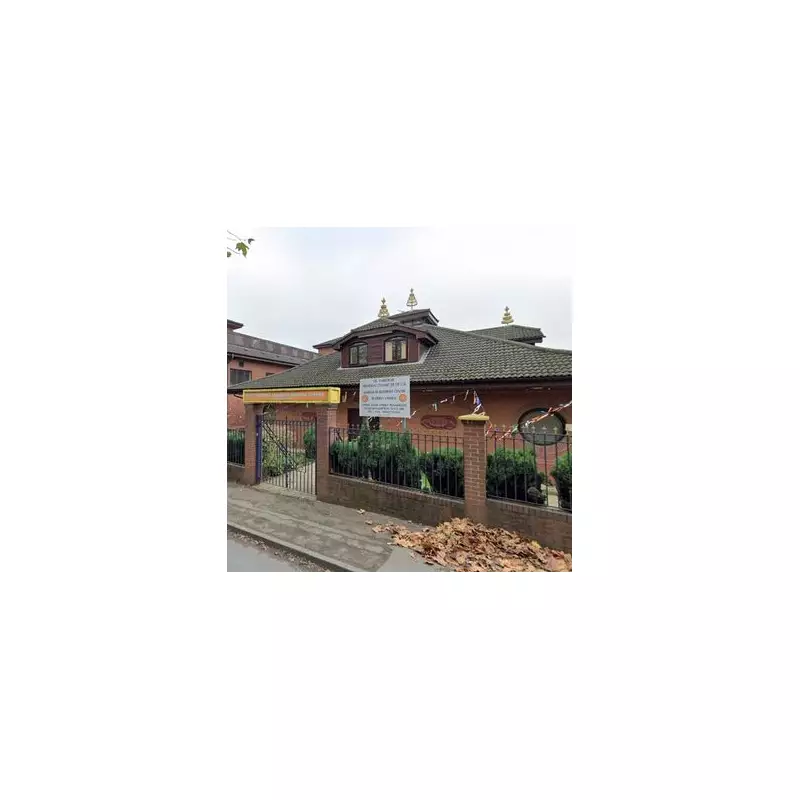
Plans to build a new community hall at a Buddhist temple in Wolverhampton have been thrown out by the local authority over significant concerns about parking and traffic.
Council Cites 'Substantial Intensification' of Activity
City of Wolverhampton Council has formally rejected an application from the Ambedkar Buddhist Centre on Upper Zoar Street. The temple sought permission to construct a flexible, 150-square-metre community hall on part of its existing car park. The proposed venue was intended to host a wide range of events, including music performances, sports sessions, and social gatherings for up to 200 people.
However, council planners concluded that the development would lead to a "substantial intensification of activity" at the site. Their primary objection centred on the inadequate provision of parking spaces for the potential number of visitors, warning it would worsen existing pressures on nearby streets.

Parking Capacity at the Heart of the Refusal
A key factor in the decision was the loss of parking spaces on the temple's own land. The application acknowledged that building the hall would require the loss of three of the site's current 12 car parking spaces, reducing the total to just nine.
The council's report stated that Penn Street and Upper Zoar Street are already heavily subscribed with on-street parking. Planners argued that the influx of up to 200 visitors for events, with the potential for coach and minibus visits, would push significant additional parking onto these residential roads.
This, they said, would cause harm to pedestrian safety and the free flow of traffic in the local highway network. The applicant's vision of the hall as an "inclusive space" supporting the temple's role as a community hub was ultimately outweighed by these practical logistical concerns.
What Happens Next?
The refusal, dated in line with the report on 13 January 2026, leaves the Ambedkar Buddhist Centre's plans in limbo. The temple could choose to appeal the decision or submit a revised application with a more comprehensive transport and parking strategy. For now, the site will remain as is, with local residents and the temple community awaiting the next steps.
This case highlights the ongoing challenge for urban community venues seeking to expand their facilities while satisfying stringent local planning regulations designed to manage traffic impact.