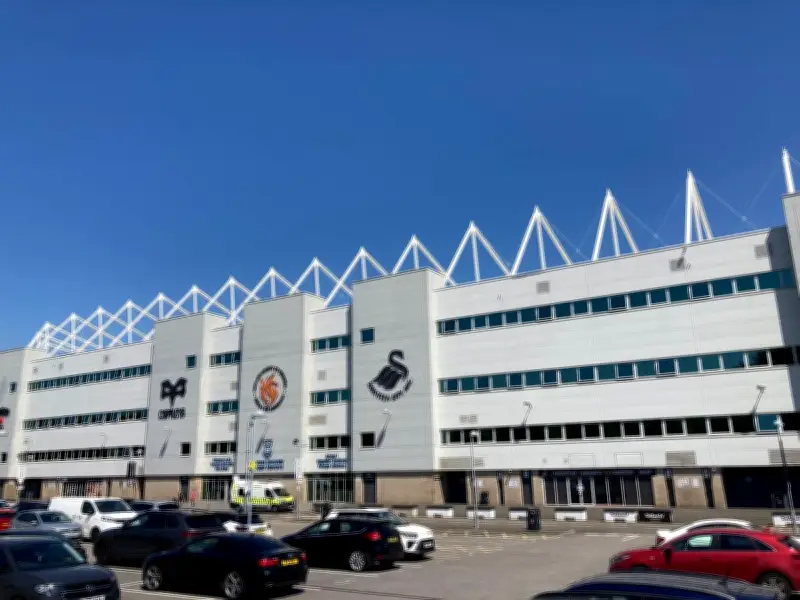
Swansea Council's cabinet has unanimously agreed to sell the Swansea.com Stadium to Swansea City Football Club, with council leader Rob Stewart confirming the value exceeds a 'fair open-market value,' though the exact price remains undisclosed. The decision, subject to a detailed heads of terms agreement, marks a significant shift from 2018 when a similar sale was rejected.
Background and rationale for the sale
Council leader Rob Stewart explained that the landscape of football has changed dramatically since 2018, citing the popularity of documentary series like 'Welcome to Wrexham' as an example. He emphasized that Swansea City's owners, who aim to return the club to the Premier League, require control of the stadium to invest in facilities and improve fan experience. 'It's very difficult for them to do that if they're not in control of the asset,' Stewart said.
The council originally spent approximately £27 million on the stadium, then known as the Liberty Stadium, which opened in 2005. It hosted Swansea City and the Ospreys rugby club, coinciding with the football team's rise to the Premier League for a seven-year stint between 2011 and 2018.

Financial details and benefits
A report presented to the cabinet stated that after lengthy negotiations, terms have been tentatively agreed that generate a large purchase price, plus additional contingent fees in the event of promotion, as well as retained ticket and hospitality benefits. Stewart noted that taxpayers did not receive rent from the stadium until lease arrangements were changed in 2018, when Swansea City became the lead tenant and the Ospreys the sub-tenant.
While the council typically prefers to retain assets, Stewart felt this sale was the right decision. He added that the authority will retain planning control over new developments in the area surrounding the stadium.
Opposition concerns
Opposition leader Councillor Chris Holley raised questions about how the sale would benefit the team on the pitch and whether the club might use the stadium as collateral for borrowing. 'This is a substantial asset belonging to the council and the people of Swansea and I think we need an explanation,' he said.
Stewart responded that ownership could boost investor confidence in the club, though he admitted he is not an expert on football club management.
Club perspective and future plans
Swansea City confirmed last week that it had submitted an offer for the ground, stating that ownership would create new opportunities to increase income, attract investment, and support long-term ambitions while benefiting the city. The club noted that an independent valuation of the stadium was conducted on behalf of the council to demonstrate best value for taxpayers.
Chief executive Tom Gorringe said: 'This is a highly significant moment for Swansea City as, after over two decades playing at the Swansea.com Stadium, we move towards taking outright ownership of the ground. Owning the Swansea.com Stadium is of major strategic benefit to the football club, and we look forward to completing the purchase in due course.'
Additional context
The American-owned club's co-investors include Real Madrid and Croatia star Luka Modric and hip-hop artist and businessman Snoop Dogg. The Championship side will begin their league season away at Stoke on August 15. Meanwhile, the Ospreys vacated the stadium in 2025 and are set to relocate to their new home at St Helen's this autumn.