The UK's chronic housing shortage has taken a significant new turn in the West Midlands, following a pivotal change to national planning rules introduced by the Labour government. The policy shift is now fuelling a wave of applications from housebuilders seeking to reclassify protected green belt land as so-called 'grey belt' to unlock it for development.
The Policy Shift: From Green Belt to 'Grey Belt'
Upon its election in 2024, the Labour government pledged to overhaul restrictive planning regulations. A key part of this effort was an update to the National Planning Policy Framework (NPPF) at the end of 2024. This introduced a new concept: the 'grey belt'.
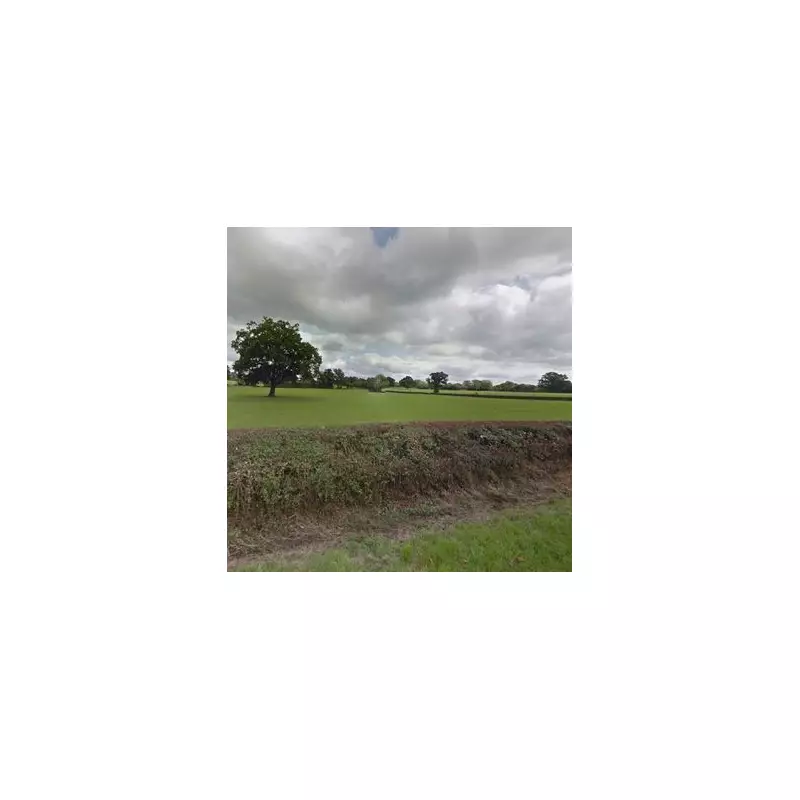
This classification applies to green belt land deemed under-used, of low quality, or degraded. The change empowers local planners to designate such areas as grey belt, potentially making them more accessible for housing to meet urgent local needs. This move has provided developers with a fresh avenue to challenge longstanding barriers to building on the urban fringe.

Major Applications Arguing for Reclassification
The policy shift has triggered a series of high-profile planning applications across the region, where developers are actively testing the new 'grey belt' definition.
In Dorridge, Solihull, Bloor Homes has submitted outline plans for 350 houses on a 23-hectare green belt site off Blue Lake Road. The developer argues the land is lower quality and should be considered grey belt. Should the council reject this, a backup case citing 'very special circumstances' has also been lodged.
Nearby in Balsall Common, Solihull, Spitfire Homes is proposing 133 dwellings on land at Oakes Farm, similarly contending the site's lower quality justifies a grey belt label. This application awaits a decision from Solihull Council.
In Streetly, Walsall, St Philips has put forward outline plans for up to 200 homes on agricultural fields. Their agent, Savills, has formally argued the site meets the grey belt criteria, aligning with Walsall Council's housing targets.
Approvals, Refusals, and Mounting Pressure
The pressure on local authorities is immense. Sandwell Council, for instance, must provide 26,000 new homes by 2041, but its current local plan only accounts for 11,500 – a staggering shortfall of 15,000 homes. Planners fear increased pressure to develop peripheral green areas that may be argued as grey belt.
A contentious example is the former Brandhall Golf Course in Sandwell. In 2024, the council controversially approved plans for 190 new homes, a primary school, and a park on this edge-of-borough site, a decision seen as aligning with the grey belt push.
Not all applications succeed immediately. In Aldridge, Walsall, an application by William David Homes for 115 houses on green belt land off Longwood Lane was refused by the council's planning committee in June 2025. However, the developer has appealed, and a planning inquiry will now determine the site's fate.
The introduction of the grey belt concept has undeniably opened a new front in the battle over housing and land use in the West Midlands. As developers seize the opportunity, local councils are left to balance acute housing needs against community resistance and environmental protection, setting the stage for a series of crucial planning battles in the years ahead.