The city of Birmingham is poised for a series of dramatic transformations following a landmark year for planning approvals in 2025. From the heart of the city centre to its outer suburbs, several colossal development schemes have been given the green light, setting the stage for a new era in England's second city.
Stadium Vision and Market Controversy Lead the Way
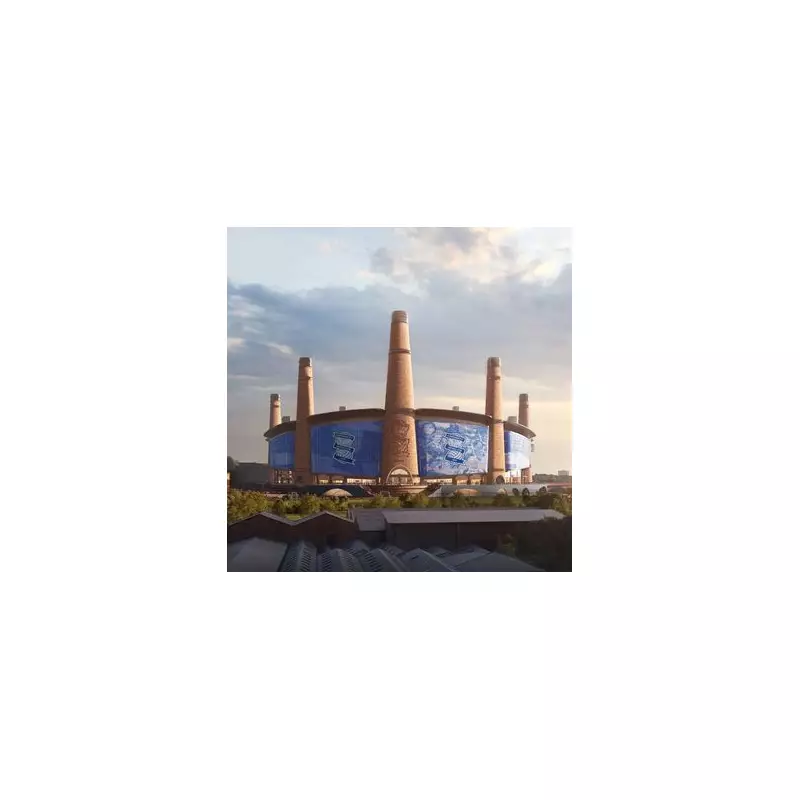
Perhaps the most eye-catching proposal to advance this year is the ambitious Sports Quarter project spearheaded by Birmingham City Football Club. In a major November reveal at Digbeth Loc Studios, the club unveiled designs for a new 62,000-seat stadium, christened 'The Powerhouse'. Club chairman Tom Wagner described the vision as a "modern-day, accessible colosseum" that would act as a "beacon of excellence" for Birmingham globally. The wider scheme for the Bordesley Green area also promises a world-class training centre, a dedicated women's stadium, an arena, and mixed-use developments, pending final approval.
In the city centre, a long-running and contentious plan to demolish the Bull Ring Indoor Market building finally got the go-ahead after a successful appeal by developers. The Edgbaston Street Gardens scheme will see the market replaced by up to 745 apartments or 1,544 student bedrooms, alongside new green spaces and amenities. The decision has sparked anxiety among traders, with fabric seller Hasan Masaud Khan expressing concern that a proposed temporary relocation site may be "too far out". The council has pledged support for traders during the transition.

Suburban Regeneration and Neighbourhood Gateways
Further south, the council's sweeping regeneration scheme for Druids Heath was approved, though not without significant local division. The Labour-run authority aims to transform the estate into a green oasis with 3,500 new homes and improved infrastructure. Residents have voiced fears about being priced out, leading the council to commit to a shared equity scheme to help existing homeowners. A council spokesperson stated that extensive demolition was necessary as most existing homes required millions in investment to meet minimum standards.
In Digbeth, the creative quarter is set for a boost with the approval of the Phoenix Yard development. The scheme will redevelop an entire city block next to the high street, creating a "key gateway". It includes permission for two commercial and education blocks, with outline planning secured for up to 205 residential units, 576 student bedspaces, and a hotel. Planning committee chair Coun Lee Marsham hailed it as "maybe the best scheme we've seen in quite a while".
Retail Reshuffle and the Year Ahead
In Northfield, a proposal to demolish part of the local shopping centre for a new Lidl supermarket will proceed after the supermarket chain won a planning appeal. The store will occupy a site left vacant by Wilko, and plans include a new pedestrian walkway linking to Victoria Common. The Planning Inspectorate concluded the development would be a significant improvement on the existing vacant building.
As 2025 draws to a close, these five major projects symbolise a city in a state of ambitious flux. While promising new homes, modern facilities, and economic investment, they also highlight the complex balance between progress and preserving community interests, a challenge that will define Birmingham's evolution in the coming years.