Solihull Sheep Farmer Loses Appeal for Holiday Let Cabin on Green Belt Land
A Solihull sheep farmer has lost a significant appeal to construct a holiday let cabin on farm land after the matter was escalated to the government inspectorate. The decision reinforces the council's stance on protecting green belt areas from inappropriate development.
Background of the Planning Application
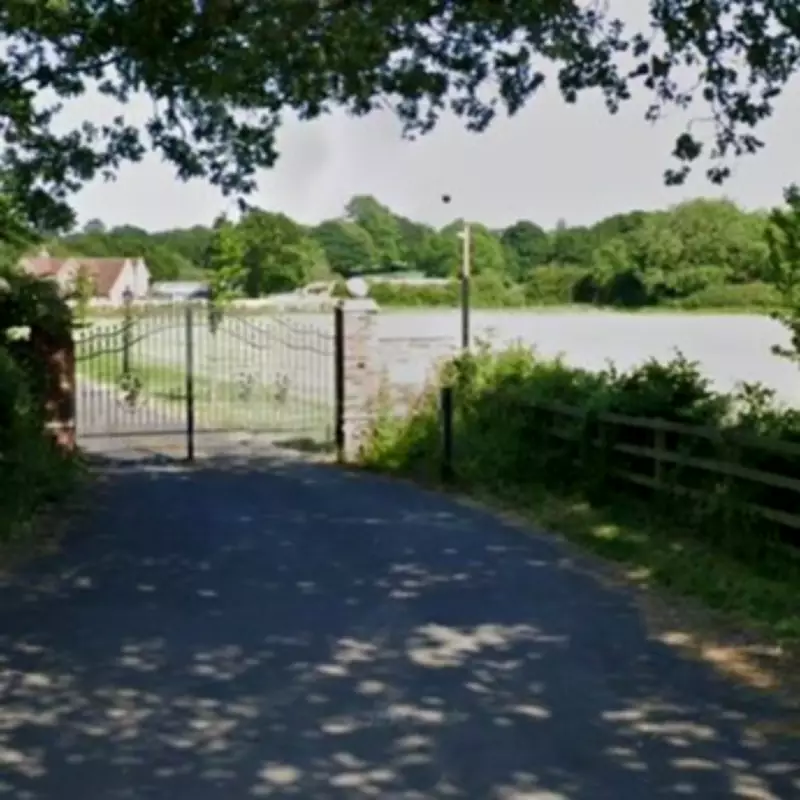
Brook Farm in Meer End initially submitted a planning application to Solihull Council in 2024. The proposal aimed to build a holiday let cabin to diversify the farm's income and support the local rural economy. Richard Cobb, a chartered town planner representing applicant Kate Aldersley, argued that an existing holiday let, created from a converted barn in 2021, had proven highly popular with tourists through platforms like Airbnb.
In the planning statement, it was noted that Brook Farm is a small working farm spanning approximately 10 hectares, primarily maintaining a flock of sheep. The statement emphasized the increasing demand for short-term holiday accommodation in the area, which could help sustain the farm's operations and livestock herd.

Council's Refusal and Reasoning
In April 2025, Mark Andrews, the council's head of planning, design, and engagement service, issued a decision notice refusing planning permission. He stated that the proposed development constituted inappropriate development in the green belt. Andrews concluded that the circumstances presented did not clearly outweigh the harm to the green belt, failing to demonstrate the very special circumstances required for such exceptions.
Appeal to the Government Inspectorate
Following the council's refusal, the applicant appealed the decision to the government's planning inspectorate. After conducting a site visit, inspector Lewis Conde ruled in December 2025, dismissing the appeal and siding with the council.
Conde acknowledged that permission for tourism accommodation already exists at Brook Farm, involving the conversion of an existing barn building. However, he noted that this previous development was more closely related to other structures on the land. The inspector determined that the new proposal would result in modest harm to the openness of the green belt and that other considerations did not outweigh this harm.
"The proposal is inappropriate development in the green belt and it would result in modest harm to openness," Conde wrote. "I find that the other considerations in this case, together, do not clearly outweigh the harm that I have identified. Consequently, very special circumstances do not exist to justify the proposal."
Implications for Rural Development
This case highlights the ongoing tension between rural economic diversification and green belt conservation in Solihull. While farmers seek to boost income through tourism ventures, planning authorities prioritize protecting open spaces from development. The full judgment can be accessed by searching for reference PL/2024/02008/PPFL on Solihull Council's official website.