Solihull's Major Town Centre Redevelopment Gets Green Light
Plans for a transformative multi-million pound redevelopment of Solihull's Mell Square have been approved by local planners, despite facing significant vocal opposition during a crucial council meeting. The ambitious scheme, which has been in development for several years, reached Solihull Council's planning committee on February 6, where councillors unanimously backed the proposals.
Ambitious Development Plans
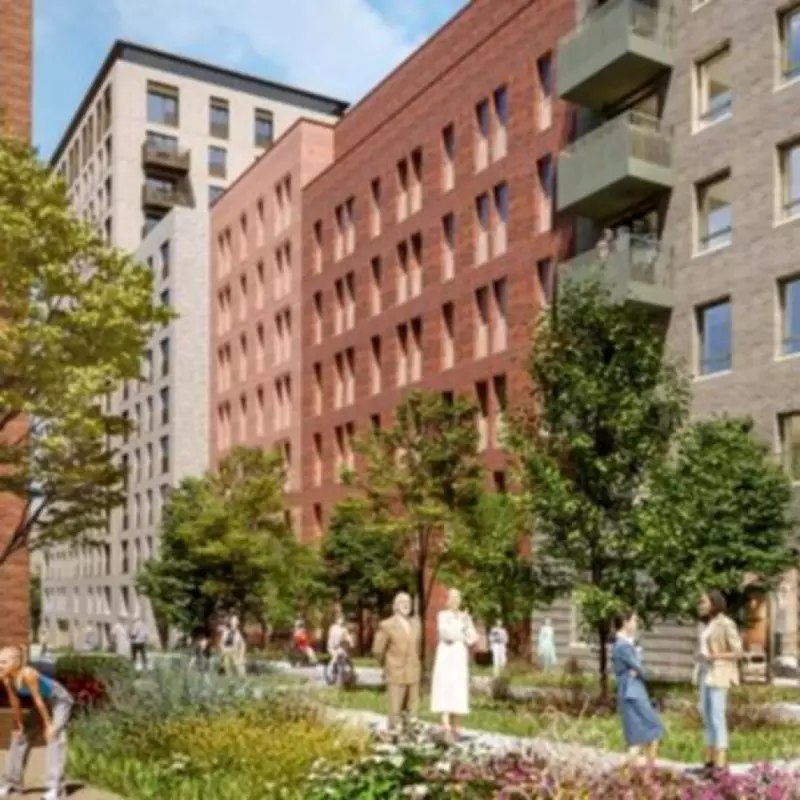
The extensive development proposal includes plans for 1,600 new homes, 300 hotel rooms, and 57,049 square metres of non-residential space that could accommodate shops, cafes, bars, and restaurants. The scheme also features three distinct public areas designed to revitalise the town centre location.
Strong Opposition Voices
During the key meeting, opponents made their views clear in a packed public gallery. Former Solihull councillor Nick Stevens expressed concerns about the long-term impact, stating: "These developments seem to come around every 30 years. We had Mell Square in the 1960s, Touchwood in the 1990s, and now we have this."

Stevens highlighted particular concerns about parking provision, noting: "Touchwood was a development we can be proud of in Solihull – it was largely built on an open surface car park. To replace that car park, new car parks were provided. That contrasts with these plans where two existing car parks are being removed, to be replaced by no new car parking provision."
Architectural and Heritage Concerns
Hampton in Arden parish councillor Dave Cuthbert raised objections about the architectural merit of the proposed buildings, which range from six to fourteen storeys in height. He argued: "The buildings have little architectural merit. The multi-storey blocks have a negative visual impact on the town's heritage assets. The form of development is more suited to the NEC or Arden Cross sites. Solihull Town Centre deserves better."
Councillor Prish Sharma echoed these concerns about character preservation, stating: "I love Solihull, there is a special character. I think Solihull will lose its character, become faceless, a high rise centre – that is where I am concerned."
Development Team's Perspective
Matt Jones, senior director of planning consultations at Turley, defended the proposals, explaining: "The purpose of this application is to maintain the importance of this place to the people of Solihull. This will be achieved by breathing new life into this area. Opportunities like this are incredibly rare. Projects of this nature inevitably bring change – the redevelopment would bring a range of significant benefits."
Committee Chairman's Clarification
Councillor Bob Grinsell, chairman of the planning committee, addressed concerns about visual representations of the development, stating: "You see a lot of slides of pictures. I know that social media has picked up on some of those pictures. Those are indicative. The colours may change considerably, we will be considering those at a later stage. Just because you see a picture on screen that is not necessarily what the final product will be."
Support for Modern Development
Despite the opposition, several councillors spoke in favour of the proposals. Councillor Sardul Marwa commented: "I like it. In the modern world we need these modern looking buildings. I think we need to move this development forward."
Councillor Dave Pinwell drew historical parallels, adding: "Our predecessors were courageous in the face of some bitter opposition in sweeping away the cottages of Drury Lane and other streets to create Mell Square. I believe we have to follow in the footsteps of our predecessors and have the courage to go ahead with a redevelopment."
Unanimous Approval
When the matter went to a vote, all nine councillors on the planning committee unanimously granted full planning permission for phase one of the scheme. Outline planning permission was also granted for the subsequent phases of the development, marking a significant milestone for the transformation of Solihull's town centre.

The decision represents a major step forward for a project that has generated considerable debate within the local community, balancing concerns about heritage and character against aspirations for modern development and regeneration.