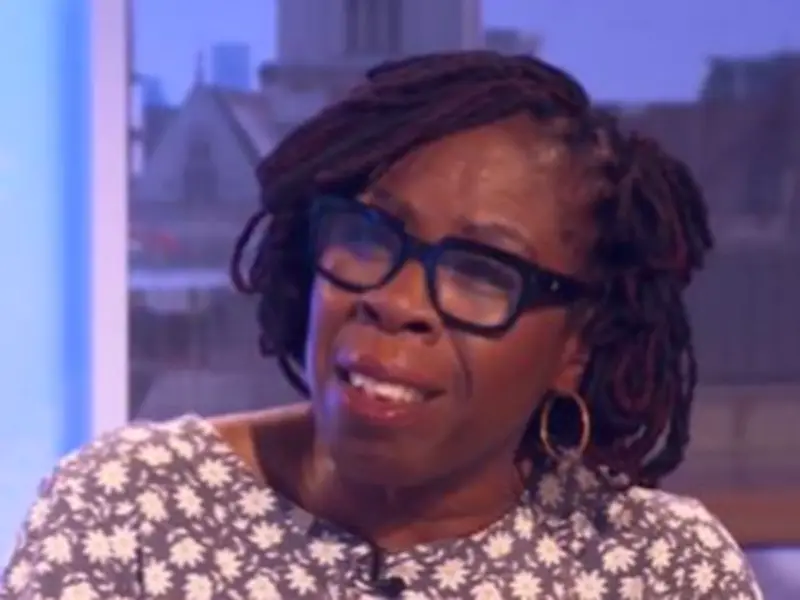
Birmingham MP Paulette Hamilton has called for Argentina players who carried a banner claiming the Falkland Islands as Argentine to be banned from the World Cup final, stating it was 'as if they were rubbing salt into the wounds' of England fans and Falklands veterans.
Controversial Banner After Semi-Final
Following Argentina's dramatic 2-1 win over England in the World Cup semi-final on Wednesday night, several defending champions were photographed holding a banner that read: 'Las Malvinas Son Argentinas'. Translated into English, the phrase means 'The Malvinas are Argentine,' with Malvinas being the Spanish term for the Falkland Islands.
Historical Context of the Falklands Conflict
In 1982, Argentine forces launched an invasion of the islands, prompting a British military response to reclaim them. Before the islands returned to British control, a 74-day war claimed the lives of 255 British service personnel, 649 Argentine troops, and three Falkland Islanders. A 2013 referendum saw 99.8 per cent of Falkland Islanders state they wanted to keep their status as a British overseas territory.

MP's Reaction and Call for FIFA Action
Paulette Hamilton, the MP for Erdington, discussed the controversial post-match moment during an appearance on Channel 5 with Matt Allwright. She said: 'The Falklands belong to us and the people in the Falklands want the Falklands to belong to us, they class themselves as British and Argentina keep stoking that.'
She continued: 'I do believe they owe us an apology because they shouldn't have brought politics into the football game, it's as if they were rubbing salt into the wound. But not only that, I truly and utterly believe that whoever went and took that banner from people in the crowd and held it, they should not be allowed the privilege to play in the finals.'
Hamilton added: 'I'm praying that once FIFA has looked at this that the fine is given is so large that it will deter people from doing it in the future.'
Potential FIFA Sanctions
The MP's comments come as FIFA is expected to review the incident. Under FIFA regulations, political statements are prohibited during matches, and sanctions could include fines or bans for players involved. The incident has sparked widespread debate, with many calling for action to prevent future political displays in football.