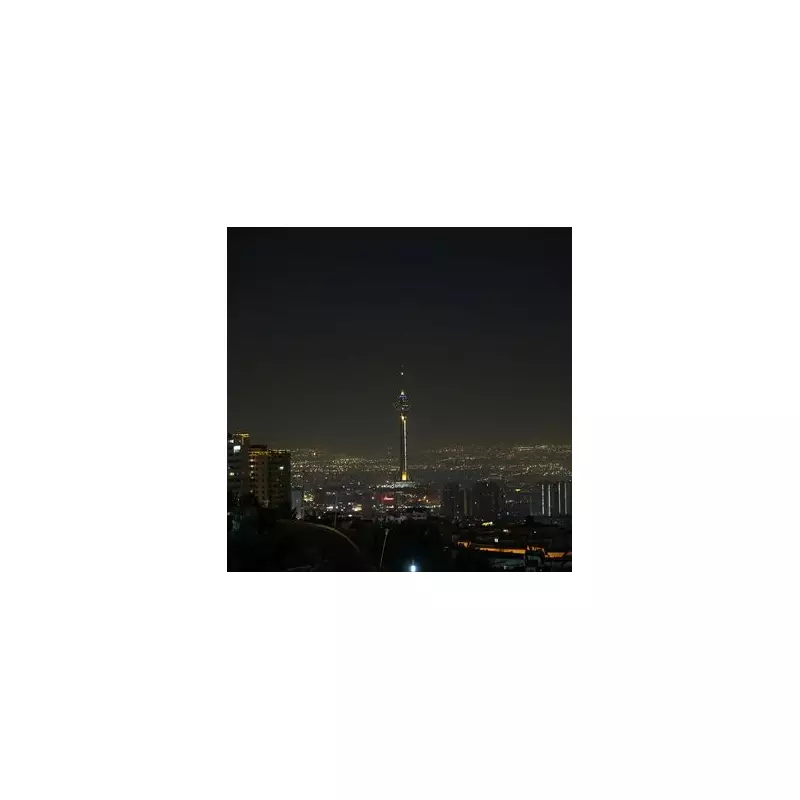
Civil unrest in Iran has escalated into deadly confrontations, with protesters clashing with security forces across several major cities. The demonstrations, sparked by deep-seated economic frustrations, have reportedly led to multiple fatalities, though official casualty figures remain unverified.
Nationwide Protests and Security Crackdown
What began as protests against economic hardship and social restrictions has rapidly spread from urban centres to smaller provincial towns. Reports confirm that the situation has turned increasingly violent, with human rights organisations accusing state security forces of deploying excessive measures to disperse crowds. These tactics are said to include the use of live ammunition and tear gas.
In response, demonstrators in some regions have targeted symbols of state authority, setting government buildings and security outposts alight. The Iranian government has characterised those involved as "rioters" and pointed the finger at foreign enemies seeking to destabilise the nation. Senior officials have issued warnings of a "decisive" response if the protests are deemed to threaten national security.
Communication Blackout and International Concern
In a significant move to stifle coordination and limit global awareness, authorities have imposed a severe internet blackout. Access to major social media platforms and messaging apps has been blocked, severely restricting the flow of footage and information from inside the country to the outside world.
The unfolding crisis has drawn grave concern from world leaders and international bodies. There are growing calls for restraint from Iranian authorities and for independent investigations into the deaths of protesters and the treatment of detainees.
Economic Grievances Fuel Persistent Unrest
At the heart of the turmoil lies a failing economy, marked by soaring inflation and a stark lack of employment opportunities. Many Iranian citizens directly blame government mismanagement and international sanctions for their plummeting standard of living, a long-standing frustration that has now boiled over into sustained public action.
Despite the heavy-handed state response and communications blockade, demonstrations have persisted over several consecutive days. Activists suggest the movement is gaining organisational strength, with demands evolving beyond immediate economic complaints to calls for broader political reform.