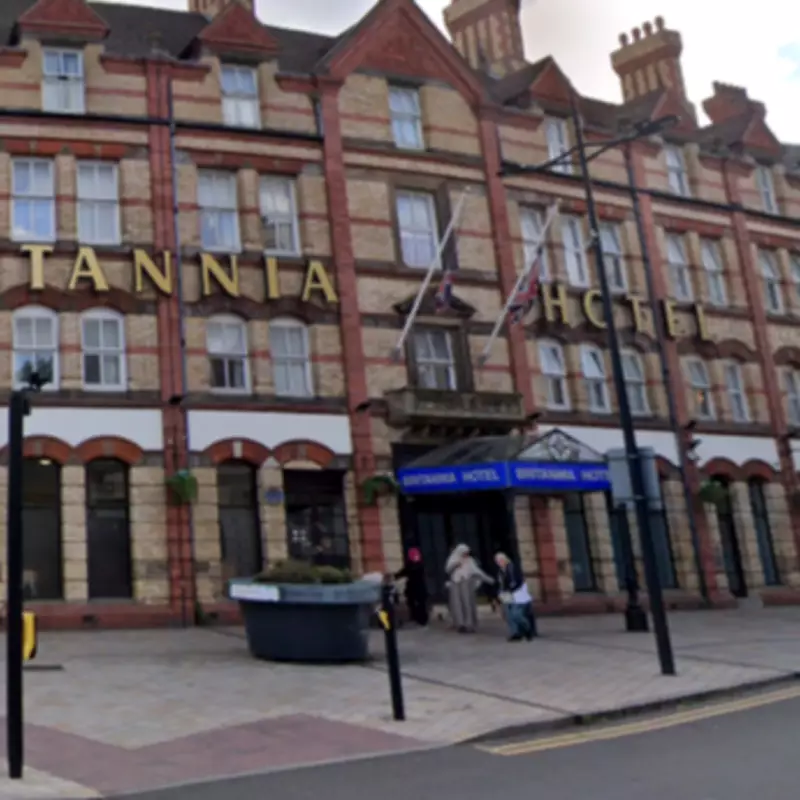
Government Shuts Down 11 Asylum Hotels in Major Immigration Overhaul
The UK Government has permanently moved asylum seekers out of 11 hotels across the country, including the prominent Britannia Hotel in Wolverhampton. This action forms a critical component of the administration's broader strategy to reform what it describes as a broken asylum system. Officials state the initiative aims to achieve long-term change through accelerated asylum decisions, increased removal rates, and stricter enforcement measures.
Protests and Policy Shifts in the Black Country
Last month, the Wolverhampton hotel became a focal point for public demonstrations, with both anti-immigration protestors and anti-racism activists gathering outside. The Government, however, emphasizes the financial and operational rationale behind the closures. This latest round is projected to save taxpayers approximately £65 million annually. Since the Labour Government assumed power, overall asylum costs have reportedly decreased by nearly £1 billion.
List of Closed Accommodation Sites
The following hotels have now ceased housing asylum seekers, with additional closures anticipated in the near future:
- Britannia Hotel – Wolverhampton
- Banbury House Hotel – Banbury, Oxfordshire
- Marine Court Hotel – Bangor, Ards and North Down
- 15 Citrus Hotel – Cheltenham, Gloucestershire
- Holiday Inn Heathrow – Hillingdon, London
- Madeley Court Hotel – Madeley, Telford & Wrekin
- OYO Lakeside – St Helens, Merseyside
- Crewe Arms Hotel – Crewe, Cheshire East
- Sure Hotel by Best Western – Aberdeen
- The Rock Hotel – Halifax, Calderdale
- Wool Merchant Hotel – Halifax, Calderdale
Sweeping Reforms and Alternative Accommodation
These closures are driven by comprehensive reforms introduced by the Home Secretary, focusing on removing individuals without legal right to remain while transitioning those within the system from costly hotels to larger, more basic accommodation facilities. Since the 2024 election, nearly 60,000 illegal migrants and foreign national offenders have been removed, with last year recording the highest removal rates in almost a decade.
Concurrently, the Government is expanding the use of large, basic accommodation sites to permanently move people out of hotels. Up to 350 illegal migrants have already been relocated to the Crowborough military barracks in East Sussex, which opened just three months ago. The scale of basic accommodation usage will increase as more hotels close.
Official Statements and Historical Context
The Government has clarified that individuals housed in these facilities who have their asylum claims rejected will be removed from the UK. Border Security and Asylum Minister Alex Norris commented, “Hotels were meant to be a short‑term stop‑gap under the previous government, but they spiralled out of control – costing taxpayers billions and dumping the consequences on local communities. We are shutting them down by moving people into more basic accommodation, scaling up large sites, removing record numbers of people with no right to remain. This is about restoring control, ending waste, and handing hotels back to the community for good.”
Under the previous administration, asylum decision-making reportedly stalled, hotel usage expanded to around 400 sites, and the asylum backlog grew significantly. This drove hotel costs to a peak of £9 million per day, with local communities bearing the brunt of the consequences. Currently, the number of hotels used has more than halved to just under 190. The population housed in hotels has decreased by nearly 20 percent in the past year and is 45 percent lower than the peak levels.