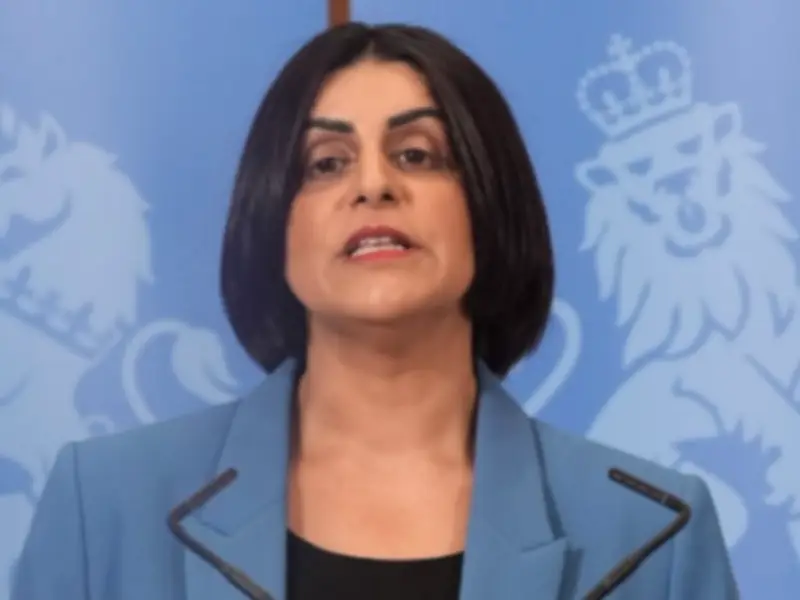
Shabana Mahmood, reported to be Andy Burnham's preferred candidate for Chancellor of the Exchequer, would face the immediate challenge of reducing the Department for Work and Pensions (DWP) benefits bill, which has been growing and causing concern within the Labour Party.
Mahmood's Proposed Approach to Welfare
According to reports, Mahmood's strategy for DWP benefits would mirror her approach at the Home Office, where she demonstrated a "consistent willingness to tighten eligibility and push through changes that make a system harder to access, even at real political cost," as noted by The I Paper. This suggests she may advocate for stricter criteria and reduced access to welfare payments.
Andy Burnham, the new Labour MP for Makerfield, has so far committed to protecting the state pension triple lock. Any decision to alter this pledge would require agreement between Burnham and Mahmood, amid concerns that the triple lock is financially unsustainable.

Reactions from Industry and Labour Insiders
An industry insider described Mahmood as a "straight talker, reads her briefs and well respected by officials." However, a senior lobbyist expressed reservations, stating that Mahmood "probably wouldn't be the worst but I’d like someone who’s more dynamic and more into business." The lobbyist added that the chancellor should not be chosen "just to give people jobs and move people around" for Labour's political management purposes.
Some Labour insiders have called for alternative candidates such as Ed Miliband, Yvette Cooper, or Wes Streeting. One insider remarked, "I would understand Yvette or even Wes. But Shabana is a bizarre choice," citing concerns that she is "more divisive than Ed, presents controversial policy as a fait accompli in contrast to how Andy wants to work, is a natural centraliser, and has no economic credentials or vision – risking Treasury capture and market credibility."
Impact on DWP Benefits Bill
The welfare bill has been a significant point of contention, and Mahmood's potential appointment signals a focus on fiscal responsibility. Her track record suggests she would pursue cost-cutting measures, potentially affecting various benefits beyond the state pension. The exact changes remain speculative, but the direction points towards tighter eligibility and reduced spending.