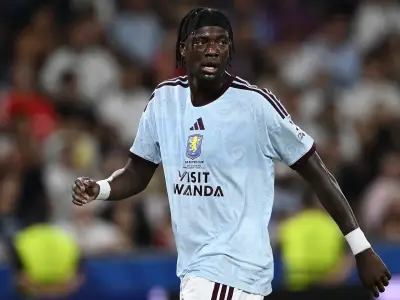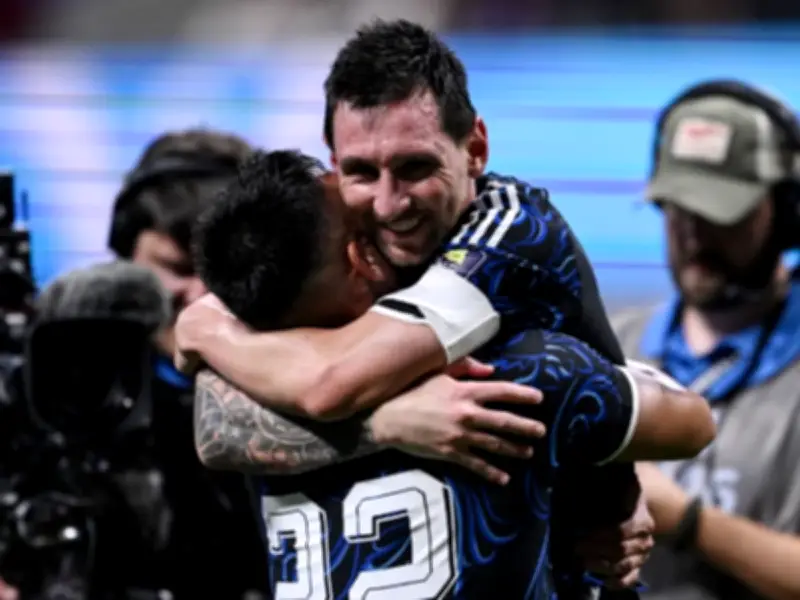
Argentina will not be disqualified from the 2026 World Cup final despite sparking fury by unfurling a Falklands War banner after their 2-1 semi-final victory over England in Atlanta, Georgia. FIFA is assessing match reports under standard procedure, but political gestures of this nature almost always result in financial penalties rather than sporting sanctions, meaning the final against Spain at the MetLife Stadium in New Jersey will proceed as scheduled.
Controversy Erupts After Semi-Final
England took the lead through Anthony Gordon's opener, but two late goals from Argentina overturned the scoreline, breaking English hearts. In the aftermath, Argentina players displayed a banner referencing the Falklands War, triggering fury from the Labour Party government, which called for FIFA to investigate. The Argentine Football Association (AFA) has been punished for a similar banner in the past, receiving a hefty fine in 2014 after displaying the sign before a friendly against Slovenia.
FIFA's Response and Precedent
FIFA stated it is “assessing match reports” under “standard procedure.” Political gestures almost always lead to fines rather than disqualification, as seen in 2014. Argentina is aiming to win their fourth World Cup and become the third team to retain the trophy, while Spain, who beat France 2-0 in their semi-final, seeks their second title.

England Manager Defends Tactics
Thomas Tuchel, England manager, defended his tactics ahead of the third-place play-off. “I believe that three other nations [in the semi-finals] have almost expectations to win the title. This is not us,” said Tuchel. “France, Spain, Argentina expect almost they’re on that level that they expect to win. We are not there yet. There is still a gap to close. This is what we will do from tomorrow. We will not stop. We will not stop hunting. We will not stop challenging. We have things to improve in a football matter.”
Tuchel dismissed calls for blame, adding: “If drama is needed, if the blame game needs to be played, OK, we can do that. But I have the right to not engage.” Asked about regrets after 48 hours of reflection, he said: “I felt that we had to do something different for the team, and I took a decision, trusting my instinct, my intuition, my experience, trusting my competitiveness, and I took the decision in order to help the team and get the result. But the decisions are made under stress. The decisions are made in game. I would regret it if we didn’t react. But I have no regrets over the decision itself.”