
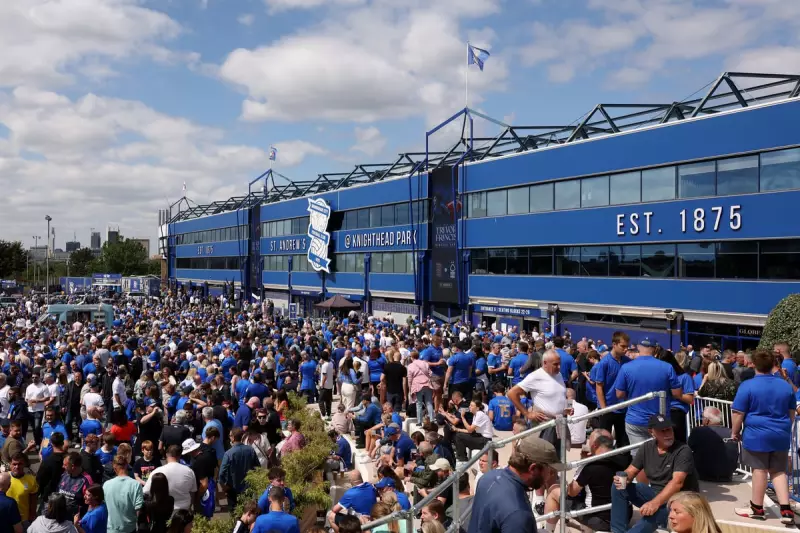
Birmingham City Football Club has unveiled its bold vision for a future home, announcing plans for a spectacular new 62,000-seat stadium designed to be a cultural landmark for the West Midlands.
Ambitious 'Powerhouse' plans revealed
The Championship club, currently enjoying a strong season and sitting seventh in the table, confirmed the ambitious project on November 20, 2025. Dubbed the 'Powerhouse', the proposed stadium is intended to replace the historic St Andrew's and become a central hub for the city and regional culture.
Club chairman Tom Wagner stated the design draws on the area's industrial heritage and represents a "statement of intent" for a region on the rise. The club's stated goal is to have the new ground fully operational for the start of the 2030/31 season, by which time they aspire to be competing in the Premier League.
Former CEO warns of escalating costs and challenges
However, a note of caution has been sounded by a football industry insider familiar with such large-scale projects. Keith Wyness, the former chief executive of Everton, has warned that turning these grand plans into reality will be far from straightforward.
Speaking on Football Insider's Inside Track podcast, Wyness predicted a difficult path ahead. "It's going to be a lot of arm twisting and a lot of wrangling, a lot of late-night meetings, and probably a lot more money than they expect as costs will escalate," he said.
While praising the club's ambition, Wyness emphasised that the "jury is very much out on execution" for a project of this magnitude. He did highlight one significant advantage for the location: the decision for HS2 to terminate in Birmingham will make the club highly accessible, almost akin to a London side in terms of connectivity.
A club building on and off the pitch
The stadium announcement comes during a period of clear progress for Birmingham City. On the field, the team is firmly in the Championship play-off conversation as the festive period approaches.
Off it, the club is looking to emulate the success of local Midlands rivals like Aston Villa and Nottingham Forest, who have shown that a return to the top flight can be followed by a push for European competition. The new stadium is seen as a foundational piece of infrastructure to support that long-term ambition.
Tom Wagner's vision extends beyond just football, aiming to create prosperity for local communities. Whether the 'Powerhouse' becomes a reality as envisioned will depend on navigating the complex financial and logistical hurdles that lie ahead.