

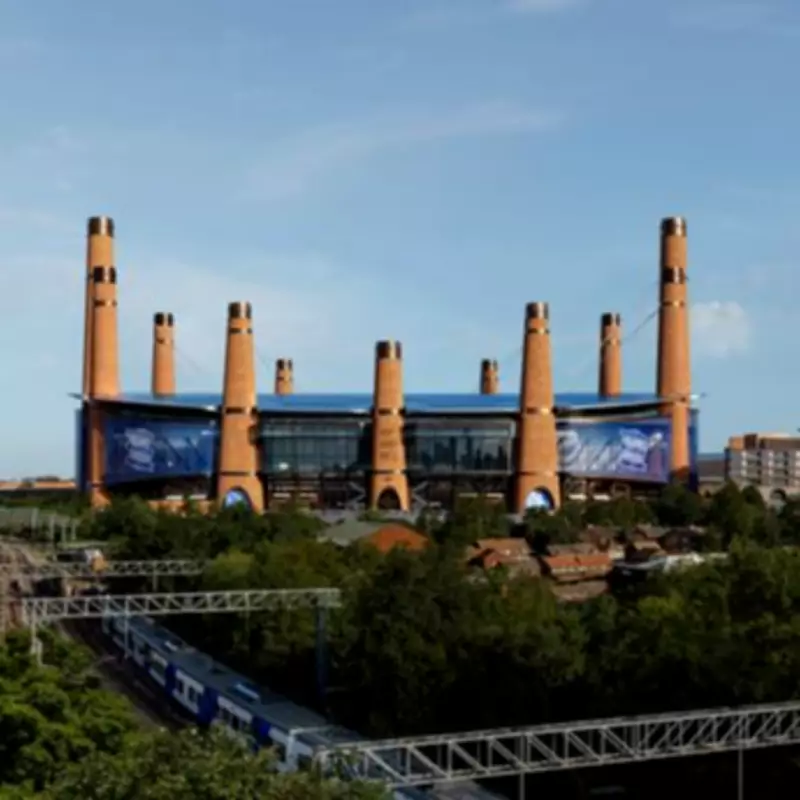
Birmingham City's Powerhouse Stadium Faces Design and Community Integration Challenges
Almost four months have passed since Birmingham City Football Club unveiled the initial design for their proposed 62,000-seater stadium, known as The Powerhouse. The ambitious project, developed by Heatherwick Studio and MANICA Architecture, is now in a critical phase as the club focuses on securing planning approval.
Architectural Team Expansion and Progress Updates
Designers at Heatherwick Studio have significantly expanded their team since the big reveal of The Powerhouse in November. Blues' head of infrastructure, Nick Smith, recently visited the studio in London to check on their progress, as detailed in the latest edition of Blue Rising.
Lead architect Eliot Postma commented on the developments, stating, "It's been a busy few weeks and months. We've spent a lot of time building what I think is a pretty incredible team." He explained that the initial competition stage involved a lean team focused on conceptualizing the idea, but now the focus has shifted to delivery and realization.

Community Integration and Planning Hurdles
One of the primary challenges is ensuring The Powerhouse fits seamlessly into its plot in East Birmingham, an area currently identified as one of the most disadvantaged in the wider West Midlands. Postma noted, "We'd had our first couple of meetings with the planners and we're really thinking about how the building meets the community."
Kacper Chmielewski from Heatherwick Studio added, "We've also been getting all of the engineers on board and working closely with the master planners and the city council, which means we are aligning and making sure the stadium is not a self-standing building but it's actually stitched into the neighbourhood."
Engineering Complexities and Design Difficulties
The project faces significant engineering obstacles to bring the eye-catching design to life. Chmielewski highlighted some of the technical challenges, including "a lot of really boring conversations about the column grids because it's quite difficult to align the outside of the building with the inside of the building."
He further emphasized the complexities involved in incorporating advanced features such as an operable roof and a moving pitch, describing these mechanisms as "crazy." Ensuring these elements function properly while maintaining the stadium's aesthetic and structural integrity is a key focus for the team.
Timeline and Future Steps
Blues chairman Tom Wagner has set a target for the stadium to be open by 2030. As the architects continue to refine the design and address community and engineering concerns, the collaboration with Birmingham City Council remains crucial. The ongoing discussions aim to balance innovative design with practical implementation, paving the way for what could be a transformative development for East Birmingham.

