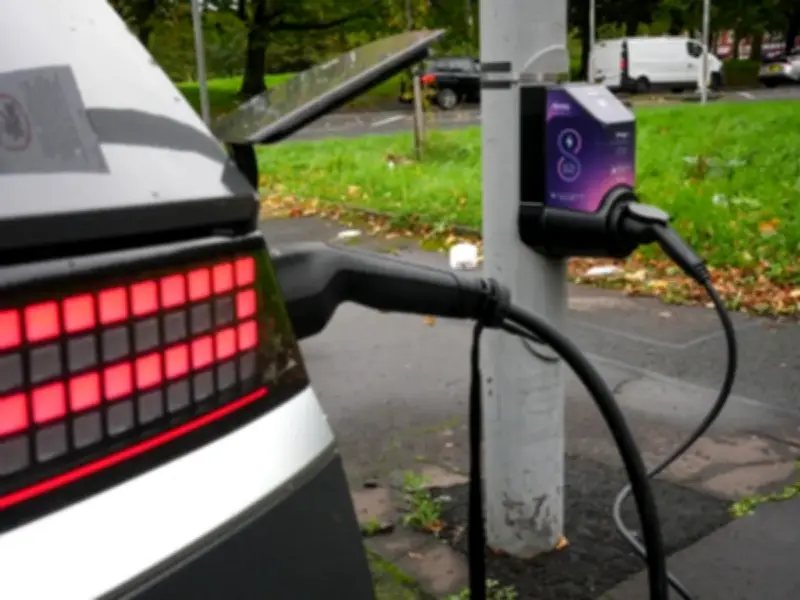
Electric car drivers are set to benefit from a major expansion of on-street charging, with operator char.gy planning to deliver more than 60,000 sockets through Local Electric Vehicle Infrastructure (LEVI) projects. Data from Zapmap shows char.gy has delivered more LEVI charge points than any other operator.
LEVI contracts and rollout progress
char.gy has been awarded 11 LEVI contracts, with four signed and in delivery in Brighton & Hove, Devon & Torbay, Reading and West Northamptonshire. A further seven, including the Isle of Wight and Central Bedfordshire, have been awarded and are progressing to signature.
Across the LEVI projects awarded to date, char.gy plans to deliver over 60,000 sockets. Over 650 LEVI sockets are already live in Brighton & Hove and Reading, which is around twice as many installs as the next operator, the company claimed.
London expansion and national milestones
Alongside its LEVI work, char.gy continues to expand in London, with installation under way in Barnet and Enfield. This week it reached a major milestone, installing its 6,000th charge point.
The geographical breadth of char.gy's rollouts is significant given regional disparities in on-street charging access. Over 70 per cent of kerbside chargers installed across the country up until the end of 2025 were located in London alone.
Market context and growth
On-street chargers made up more than 55 per cent of public charging installations in 2025, with Zapmap data showing more than 124,000 total chargers across the country. The UK now has just over 122,000 public charge points, more than 50,000 of them added since the end of 2023.
John Lewis, CEO of char.gy, said: “Councils are choosing char.gy because we turn LEVI projects into working charge points at pace and keep them working. 6,000 charge points in, we are installing faster than ever, and the seven further councils we are working with towards signature mean that pace will keep growing.”
On-street electric vehicle chargers have become an important part of the conversation in recent years as 40 per cent of people live without off-street parking.