A shift towards digital driving licences in the UK has sparked significant concern among older and disabled motorists, with fears that they could be effectively banned from the roads by 2026.
Digital shift sparks accessibility fears
The Driver and Vehicle Licensing Agency (DVLA) is progressing with a more digital-first system for managing licences. While physical photocard licences will remain valid, experts warn that failing to update personal details like address or medical conditions through new online systems could lead to enforcement action and fines of up to £1,000.
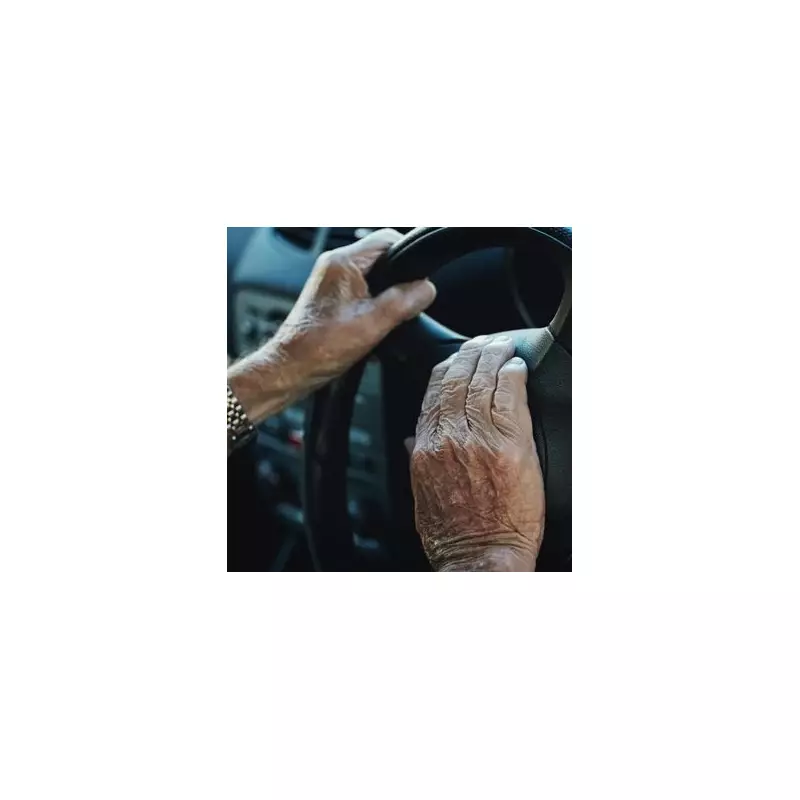
One driver from Birmingham has become a vocal critic of the plans, highlighting critical flaws for those who cannot or choose not to use modern technology. He suffers from severe burns on his hands, arms, head and back from a workplace accident, which leave his hands as scar tissue.

"Both of my hands were severely burned and are effectively all scar tissue. Unfortunately scar tissue does not react well with touch screens or fingerprint recognition scanners," he told BirminghamLive.
"Not everyone wants a smartphone"
The motorist, who does not use a smartphone, argues that the move to digital disproportionately impacts safe, older drivers. He tried a phone designed for seniors but found it awkward. His concerns extend beyond disability to choice and cost.
"I suspect there are many safe older drivers who have not embraced digital mobile phone technology," he said. "Some, who like me, just don't want to be contactable 24/7 or be slaves to technology. There are also those who simply cannot afford a mobile phone contract."
He emphasised that while he has no issue with digital licences existing, they must not come at the expense of older drivers. "There should always be a choice," he stated firmly.
What the digital licence rollout means
The UK government has confirmed that the digital driving licence will remain optional, with no plans to make it mandatory. A phased rollout is expected to continue in 2026, following a pilot scheme starting in late 2025.
The digital licence will be accessed via the GOV.UK Wallet app and can be used for:
- Proving your right to drive.
- Age verification for buying alcohol or other restricted goods.
- Boarding domestic flights and for voter identification.
However, Sarah Jenkins, a Marketing Executive at My Car Reg Check, warns that the system is becoming "more automated and less forgiving." Common and costly mistakes drivers are likely to make include:
- Driving without a valid MOT – fine up to £1,000.
- Having an untaxed vehicle – fines from £80 up to £1,000.
- Having outdated licence details – a £100 fine.
"Most of these penalties are completely avoidable," says Jenkins. "We’re seeing more drivers caught out not because they’re breaking the law intentionally, but because the system is becoming more automated and less forgiving. If your records aren’t right, the fines now come quickly."
The debate underscores a growing tension between technological advancement and inclusive accessibility, raising urgent questions about how essential services evolve without leaving vulnerable groups behind.