Ryanair Issues Summer Jet Fuel Shortage Alert Amid Escalating Middle East Conflict
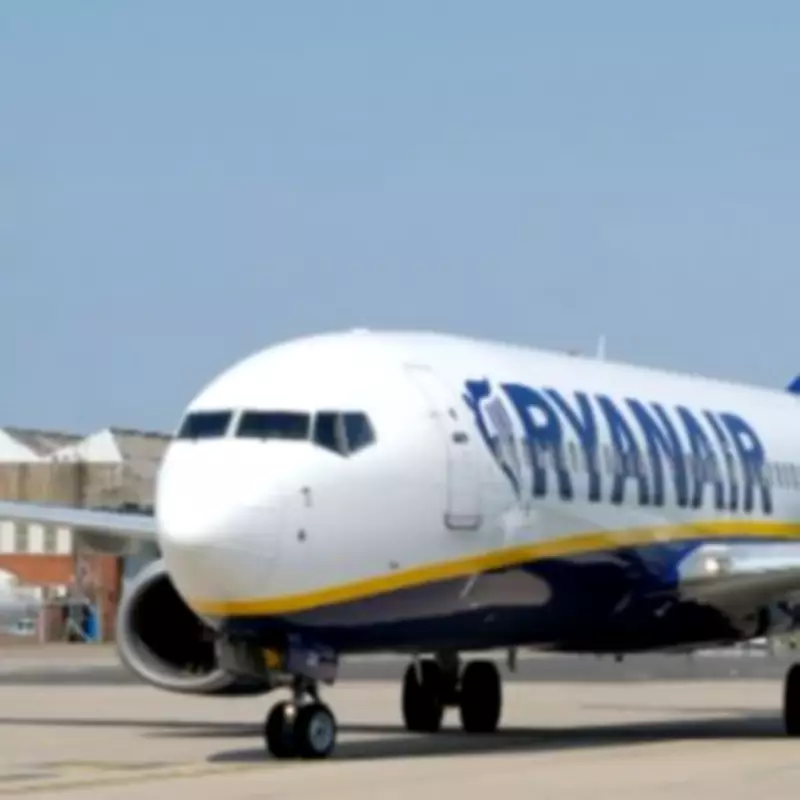
Ryanair has raised significant concerns regarding potential jet fuel shortages ahead of the peak summer holiday season, with disruptions possible from mid-May onwards. This alarming scenario threatens to cause widespread chaos for passengers who have already booked flights for June, July, and August.
Conflict in the Middle East Intensifies Supply Fears
The ongoing military conflict involving the United States and Israel against Iran shows no signs of abating, critically impacting global fuel supplies. Over the weekend, the Strait of Hormuz was closed again, dashing hopes that had briefly emerged last week for a brokered peace deal. This strategic waterway is a vital conduit for oil shipments, and its closure exacerbates supply chain vulnerabilities.
In the wake of these developments, passengers are growing increasingly anxious about aviation fuel shortages, which could severely disrupt travel plans. This includes flights departing from UK airports such as Birmingham (BHX), where Ryanair operates numerous services.
Ryanair's Fuel Hedging and Immediate Concerns
Ryanair's Group CEO, Michael O'Leary, provided a detailed assessment of the situation. He stated that the airline is "reasonably well hedged" on approximately 80% of its fuel requirements. However, he revealed that for the remaining 20%, the carrier is paying nearly double the usual price, at around $150 per barrel.
O'Leary emphasized that while rising oil costs represent part of the "wider ramifications" of the conflict, the more immediate and pressing concern is the actual availability of jet fuel supplies. He explained, "Fuel suppliers are constantly monitoring the market. We do not anticipate any disruption until early May, but if the war persists, we face a genuine risk of supply disruptions across Europe in May and June."
He expressed hope for a swift resolution to the conflict to eliminate this supply risk. O'Leary quantified the threat, noting, "We estimate a reasonable, albeit low-level, risk—perhaps between 10% to 25%—that our fuel supplies could be jeopardized during May and June. Like all industry stakeholders, we fervently hope the war concludes sooner rather than later."
He added a critical condition: "If the conflict ends by April and the Strait of Hormuz reopens, the risk to supply becomes almost negligible." Unfortunately, with only about ten days remaining in April, this outcome appears increasingly unlikely.
Government Response and Industry Advice
Labour Party minister Keir Mather addressed the situation, stating, "The Government is actively monitoring the impact of the Middle East conflict on fuel supplies, including jet fuel. In coordination with the Department for Energy Security and Net Zero, we have engaged with fuel suppliers, airlines, and airports to assess jet fuel stock levels and pricing dynamics."
Mather sought to reassure the public, noting, "There is no immediate cause for concern regarding fuel stocks, and speculative reports do not benefit airlines or passengers." He highlighted that many airlines employ fuel price hedging strategies in advance to shield ticket prices from sudden spikes. The minister encouraged all airlines to take necessary measures to ensure tickets remain fairly and appropriately priced for travelers during this uncertain period.
The combination of geopolitical instability and its direct impact on fuel logistics underscores a precarious summer for air travel, with Ryanair passengers urged to stay informed as the situation develops.