Welsh Motorsport Communication System to be Tested in Aviation
A groundbreaking communication system developed in Wales for motorsport is poised for testing in aviation, with the potential to revolutionize radio communication for cochlear implant users across multiple industries.
From Racing to Aviation
Caleb McDuff, an 18-year-old deaf racing driver from Pontypool, has been competing at national level while collaborating with his father Ian to create a bespoke communication system. This innovative technology enables clear, reliable two-way radio communication directly into Caleb's cochlear implants while racing.
Caleb was born hearing but became deaf at age two following severe ear infections, receiving cochlear implants by age four. He began karting at six years old, initially competing without any sound, before progressing to car racing at 14. The need for reliable communication became critical when he moved into endurance racing at 16, where uninterrupted radio contact is essential, particularly in high-performance machinery like the McLaren GT4.
Engineering a Solution
Standard motorsport radio systems proved inadequate in high-noise, high-pressure environments where clarity is paramount. In response, Ian engineered a solution that links the car's radio directly into Caleb's cochlear implants, delivering a clean, direct audio signal.
This system allows Caleb to communicate seamlessly with his pit crew at racing speeds, something conventional radio headsets could not achieve. What began as a motorsport necessity has now revealed broader potential applications.
Expanding to Aviation
Recognizing that cochlear implant users face similar challenges with radio communication in other environments, the team approached Aerobility, a UK organization specializing in accessible flight training. They explored whether the system could be adapted for aviation use.
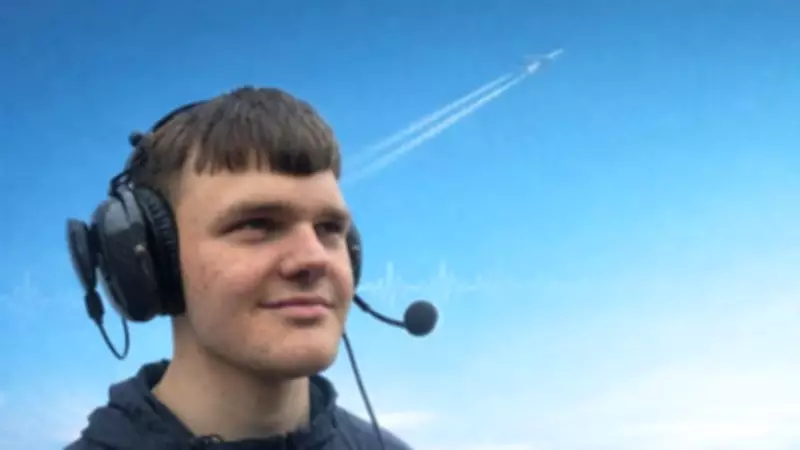
Aerobility immediately recognized the potential and provided a pilot headset for development. The headset has been modified so aircraft radio communication can feed directly into Caleb's cochlear implants, using the same principles proven successful in motorsport.
The next stage involves live testing in an aviation environment. If successful, this technology could offer practical communication solutions for cochlear implant users not only in motorsport and aviation, but across numerous industries where clear, reliable two-way radio communication is essential.
Driver and Developer Perspectives
Caleb McDuff stated: "This started as something we needed to make racing work, but we quickly realized it could go much further. If this works in aviation, it opens up real possibilities for people who rely on clear communication for all types of activities."
Ian McDuff added: "It wasn't about reinventing everything, it was about solving a very specific problem properly. Once we saw how well it worked in the car, it became obvious the same approach could be used in other applications, like aviation."
A Promising Career
Caleb has established himself as one of the UK's most promising young drivers, achieving:
- Multiple podium finishes
- A class championship title in endurance racing
- Deaf Sports Personality of the Year (Under 18) in 2024
Alongside his racing career, he is recognized for a hands-on, problem-solving approach, working closely with his father to develop practical engineering solutions that enable high-level performance. This latest development demonstrates how innovation driven by real-world challenges in motorsport can translate into wider applications beyond the track.
Further updates will follow after live aviation testing concludes.