Major Tax Break for Electric Vehicle Owners as Government Changes Rules
Electric vehicle drivers across the UK have received a significant financial boost following a key rule change introduced by the Labour Party government. New car tax regulations that took effect on Wednesday, April 1, 2026, have substantially increased the price threshold for the Expensive Car Supplement (ECS) on electric cars, leading to major savings for buyers and owners of numerous popular models.
Understanding the Expensive Car Supplement Change
Under the previous system, every electric car with a manufacturer's list price exceeding £40,000 was subject to the luxury car tax charge. This additional fee amounted to £425 per year, payable over five years from the second through sixth years of vehicle ownership. The supplement was widely criticized for penalizing family-sized electric vehicles that fell into what had become a common price bracket for practical EVs.
The new regulations have increased the threshold from £40,000 to £50,000, meaning dozens of electric models that previously qualified for the ECS will now be exempt from the increased £440 annual fee. Over the five-year payment period, this exemption translates to total savings of £2,200 per vehicle.
Industry Experts Welcome the Change
Motoring specialists have praised the adjustment as better reflecting current market realities and consumer behavior. Experts at DriveElectric explained: "This update better reflects how people actually use electric cars today. Right now, a huge number of family-sized EVs sit in the £40,000–£50,000 bracket. Under the old rules, they were classed as 'luxury', even though they’re often the practical, everyday choice for families. That’s where this change makes a real difference."
Siobhan Doyle, Consumer Writer at Carwow, added: "With more EVs now falling below the tax threshold, drivers have a wider choice of models that combine strong value with lower ownership costs. This change removes a significant barrier for families considering the switch to electric vehicles."
Complete List of Exempt Electric Vehicles
The following 23 electric car models, which would have been liable for the luxury car tax under the previous £40,000 threshold, are now exempt from the Expensive Car Supplement fee:
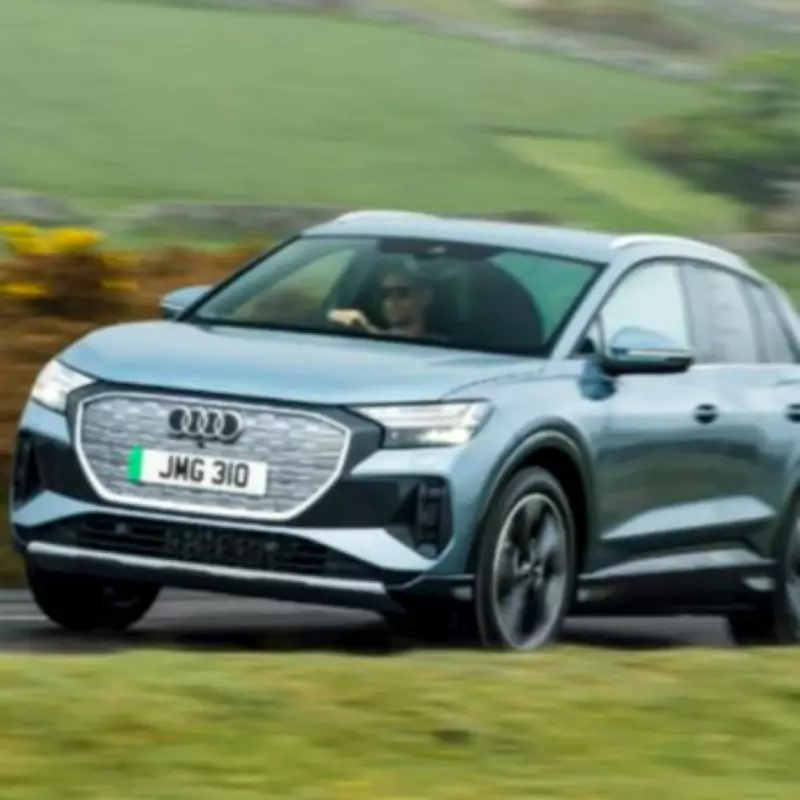
- Audi Q4 e-tron
- Audi Q4 Sportback e-tron
- BMW iX1
- BMW iX2
- BYD Seal
- BYD Sealion 7
- Cupra Tavascan
- Ford Capri
- Hyundai Ioniq 5
- Hyundai Ioniq 6
- Kia EV4 Fastback
- Lexus RZ
- Mercedes-Benz CLA Electric
- Mercedes-Benz EQA
- Mercedes-Benz GLB Electric
- MG IM6
- Peugeot E-3008
- Peugeot E-5008
- Polestar 2
- Skoda Enyaq Coupe
- Tesla Model 3 Premium
- Tesla Model Y
- Tesla Model Y Premium
This comprehensive list includes vehicles from premium German manufacturers, popular Korean brands, and leading electric vehicle specialists. The exemption applies to both newly purchased vehicles and existing models that were previously subject to the luxury car tax charge.
Broader Implications for Electric Vehicle Adoption
The rule change represents a significant policy shift aimed at accelerating the transition to electric vehicles in the UK. By removing what many considered an unfair tax burden on mid-priced electric cars, the government has effectively reduced the total cost of ownership for numerous popular EV models. This development comes as part of broader efforts to make electric vehicles more accessible to mainstream consumers and families seeking practical, environmentally friendly transportation options.
Industry analysts predict that the tax exemption will stimulate demand for electric vehicles in the £40,000 to £50,000 price range, potentially leading to increased sales and faster adoption of cleaner transportation technologies. The change also aligns with the government's commitment to supporting sustainable mobility solutions while addressing consumer concerns about the affordability of electric vehicles.