New £500 EV Charger Grant for Households Without Driveways in England
The Labour Party government has significantly enhanced the Electric Vehicle Chargepoint Grant, introducing a new rule that provides substantial financial support for households lacking private parking facilities. Starting from April 1, eligible residents can now receive up to £500 to assist with the installation of electric vehicle chargers, marking a £150 increase from the previous grant amount.
Eligibility Criteria and Funding Details
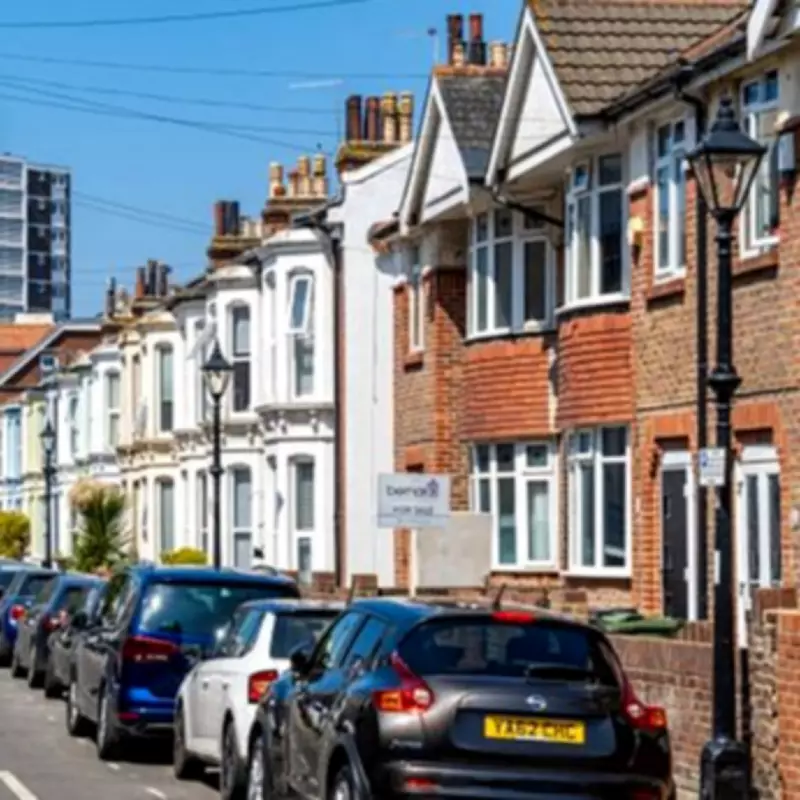
This grant is specifically designed to support individuals and families who do not have access to driveways or off-street parking. The scheme is open to:
- People living in rented properties
- Flat owners
- Small business operators
- Occupants of houses without driveways
Importantly, residents of detached, semi-detached, or terraced houses with existing off-street parking facilities are excluded from this government funding initiative. According to the Department for Transport, the £500 grant typically covers nearly half the total cost of installing an EV charger, making the transition to electric vehicles more financially accessible.
Government Statements and Rationale
Transport Secretary Heidi Alexander emphasized the government's commitment to making electric vehicle ownership more affordable and practical. "We're making it easier and cheaper than ever to go electric," Alexander stated. "Against the backdrop of fluctuating petrol prices, switching to an EV has never made more sense."
The minister further explained that these enhanced grants enable renters, flat-owners, families, and small businesses to install chargers at nearly half the usual cost, with home charging potentially as low as 2p per mile. This initiative is part of a broader strategy that includes the existing Electric Car Grant, which has already helped over 85,000 drivers save thousands on new electric vehicles, alongside record investment in public charging infrastructure.
Future Considerations and Tax Implications
Despite these supportive measures, electric vehicle drivers should be aware of upcoming changes to vehicle taxation. From 2028, a new pay-per-mile car tax system called 'eVED' will be implemented, charging EV drivers 3p per mile. Additionally, plug-in hybrid owners will face a dual burden, paying 1.5p per mile under the eVED scheme while still being subject to traditional petrol duty, which constitutes approximately half of current pump prices.
This grant enhancement represents a significant step toward addressing the practical challenges faced by urban residents and those without private parking, while simultaneously supporting the government's environmental and transportation objectives.