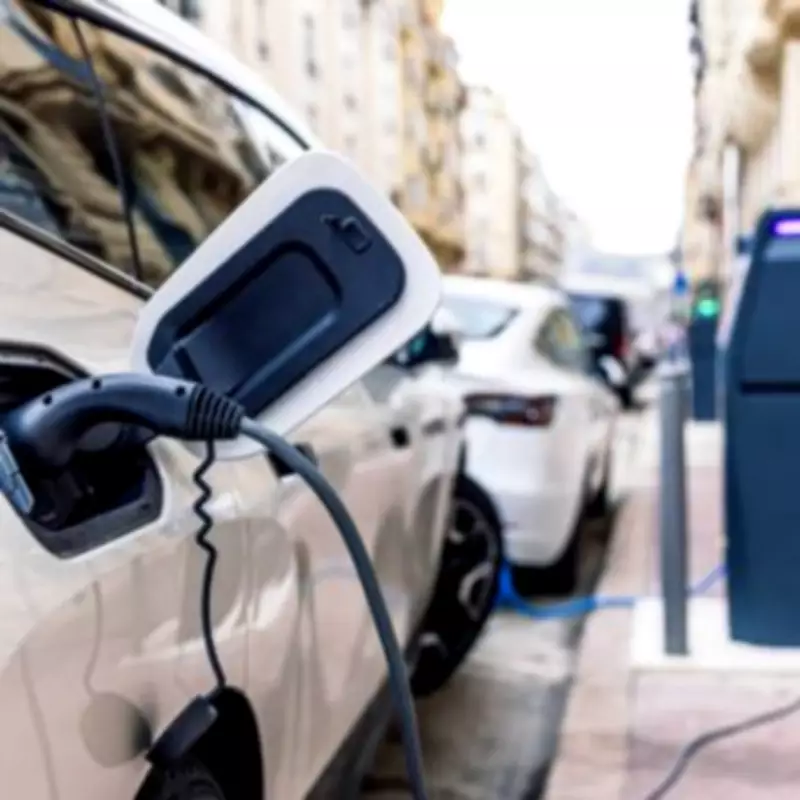
Drivers are being urged to make the switch to electric cars to take advantage of charging costs as low as 1.8p per mile. According to new research from Electrifying.com, 73 per cent of those who do not already drive an electric vehicle (EV) are now considering one as a result of global oil price volatility.
The research highlights that 70 per cent of non-EV drivers say rising petrol prices have made them more likely to consider an electric car. Electrifying.com reports that drivers are reassessing the long-term affordability and resilience of petrol and diesel cars. Registrations of new EVs in March 2026 soared by nearly a quarter compared with March 2025.
Used EV Sales Surge
Data shows used electric car sales rose by 46 per cent in 2025, with nearly 275,000 second-hand EVs changing hands during the year. New figures from Octopus EV show that EV leasing demand is also surging, with orders at the EV leasing firm up 89 per cent in March.
Industry Reaction
Ginny Buckley, CEO of Electrifying.com, said: “With EV drivers paying just pennies per mile to charge at home, it’s no wonder volatile fuel prices are pushing people to rethink what they drive. We’ve seen a near 50 per cent surge in traffic to Electrifying.com week on week since the start of the US–Iran war, and that’s being reflected across the industry.”
Buckley added: “Millions of drivers will depend on public charging to run an EV. Yet they’re the ones paying the highest price. Charging at home can cost as little as 1.8p per mile on an off-peak tariff, but if you rely on the public network that cost can rise to around 18p per mile; ten times as much, and often more than running an efficient petrol car. Much of that added cost is down to the fact that public charging is taxed at four times the rate of charging at home, which simply isn’t fair.”
She continued: “The Government can’t say it wants drivers to go electric while taxing those without a driveway the most. That’s not progress – it’s a penalty. This current crisis shows that the Government should think carefully about introducing new taxes, such as pay-per-mile, on electric driving. Millions of drivers have already made the switch, encouraged in part by the promise of lower running costs – now isn’t the moment to start adding extra costs on to those who’ve done the right thing. Fuel duty has been frozen for 15 years, so penalising EV drivers sends entirely the wrong signal.”
Structural Change
Ben Marks, MD of Electrify Research, said: “This is not a blip. It’s not really that the environmental case for BEVs has weakened, it’s just become displaced – less ‘top of mind’ – as consumers start to appreciate the financial benefits of ownership. For everyone in the auto industry this data should prompt a serious rethink. It’s a structural change. At the very least it should be reflected in messaging, but the true implications are strategic rather than tactical.”
Ben Nelmes, CEO of research firm New AutoMotive, said: “More motorists are realising just how much they could save by going electric. What is good for the planet is good for your pocket, and the amount you can save by going electric has increased over 20 per cent in the last month as global fuel prices rise. And with more models at better prices than ever before, there has never been a better time to get an electric car.”