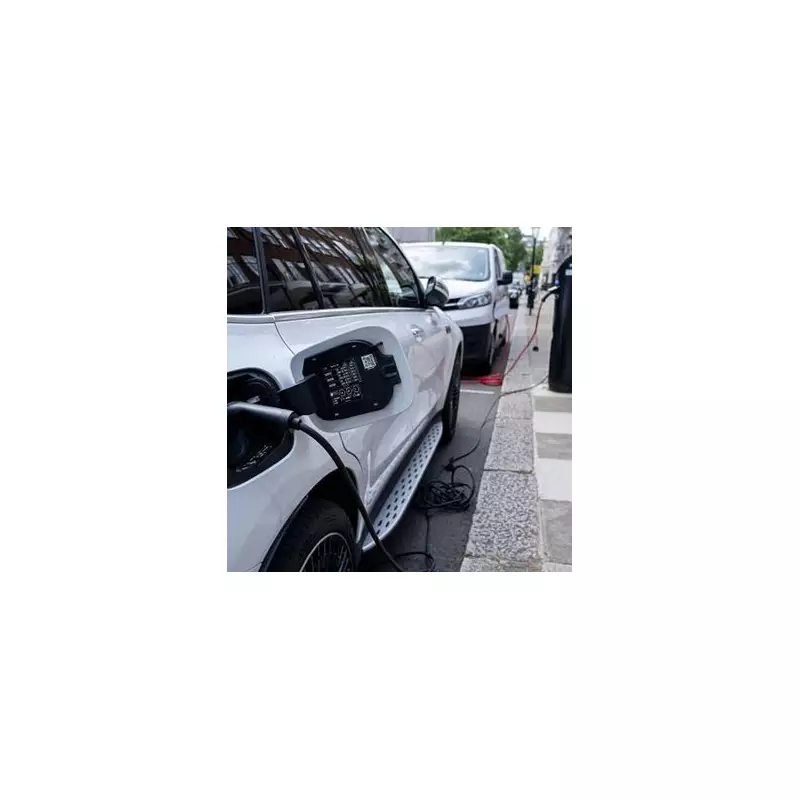
A major technological advance in electric vehicle (EV) charging could enable cars to supply power to a typical UK home for up to two days. This breakthrough centres on bidirectional V2G (Vehicle-to-Grid) charging, a concept that remains largely unknown to the majority of drivers despite its potential to dramatically cut household energy costs.
The Untapped Power in Your Driveway
New research from Europe's largest Vehicle-to-Grid pilot, the PAVE project, has revealed a startling knowledge gap. It found that 7 out of 10 people have never heard of V2G technology. Even among experienced EV owners with over three years of driving electric, only 16% understand the principles of bidirectional charging.
"It's remarkable that such a game-changing technology remains virtually unknown," said Anthony Fernandez, CEO of Easee, a leading EV charging solutions provider contributing to the PAVE project. "When we tell people their car could power their home for two days, or that they could charge cheaply at night and avoid paying peak prices during the day, the reaction is always amazement."
How Smart Charging Slashes Bills
The system leverages smart technology, like Easee's V2G-ready Max and Pro chargers, to turn an EV into a dynamic home energy resource. The strategy is simple yet powerful:
- Charge the vehicle overnight using cheap, off-peak electricity tariffs.
- Use the stored energy to power the home during expensive peak-rate daytime periods.
- This intelligent energy management could save homeowners hundreds of pounds annually.
Fernandez emphasised that for widespread adoption, the technology must be intuitive. "Our Max and Pro chargers are designed to make this revolutionary capability as simple as plugging in your phone – but with the potential to transform your entire household energy strategy," he added.
A Pivotal Moment for Home Energy
The findings from the PAVE (Implementation of Vehicle-To-Grid Services) project highlight what industry leaders call one of the biggest missed opportunities in home energy management. Pilots like PAVE are considered essential to demonstrate how bidirectional charging can become a mainstream reality, easing pressure on the national grid and putting financial control back into consumers' hands.
As the UK continues its transition to electric transport, this V2G breakthrough points to a future where cars are not just a mode of travel, but a cornerstone of a smarter, more resilient, and cost-effective home energy system.