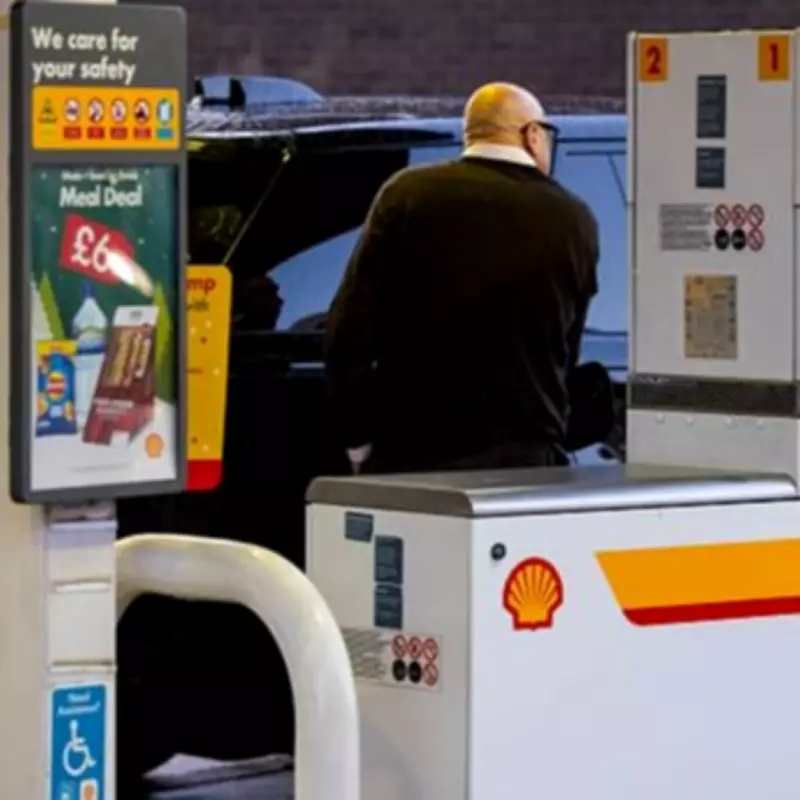
The Channel Island of Jersey is moving forward with its plan to prohibit the sale of new petrol and diesel vehicles from 2030, despite significant concerns being raised by the island's chief minister about the ambitious timeline. Deputy Lyndon Farnham has voiced fears that the deadline may be advancing "faster than the market" can realistically adapt, highlighting the need for a more measured approach to this major environmental policy shift.
Concerns Over Accelerated Timeline
In a recent social media statement, Chief Minister Lyndon Farnham emphasised that Jersey's proposed 2030 ban would place the island ahead of most comparable jurisdictions internationally. The European Union, for instance, has set its target for ending sales of new internal combustion engine vehicles at 2035, with other regions like California following a similar timeframe. Farnham has advocated for a "practical, phased transition" that would better support Jersey residents, allowing them to switch to cleaner vehicles at a manageable pace without undue financial or logistical pressure.
Environmental Impact and Current Progress
The push to eliminate petrol and diesel vehicles is driven by substantial environmental concerns. Official data reveals that in 2023 alone, these vehicles were responsible for 27% of Jersey's total greenhouse gas emissions, producing nearly 97,000 tonnes. Within this figure, car journeys accounted for just over 91,000 tonnes, making them the largest single source of road transport emissions on the island.
Despite these current levels, Jersey has made notable progress over recent decades. Since 1990, road transport emissions have actually fallen by 26%, representing a reduction of almost 34,500 tonnes over thirty-three years. However, to meet the island's broader 2050 net zero emissions target, authorities recognise that this reduction must accelerate significantly in the coming years.
Unique Challenges for Jersey's Vehicle Fleet
Jersey faces particular challenges in transitioning its vehicle fleet compared to larger jurisdictions. Vehicles on the island typically have lower annual mileage and remain in service for longer periods than those in places like the United Kingdom. This means that phasing out existing petrol and diesel vehicles will inevitably be a decades-long process, requiring forward-looking decisions well in advance of the 2050 deadline.
Island leaders have confirmed that final details regarding the 2030 phase-out will be established in early 2026, providing residents and businesses with adequate time to prepare for the changes. The transition is already underway, with registration figures showing over 3,700 fully electric vehicles and 4,400 hybrid vehicles on Jersey's roads by the end of June 2025.
Broader Benefits of the Transition
Moving towards lower and zero-emission vehicles promises multiple benefits beyond reducing greenhouse gases. The shift is expected to significantly decrease the environmental impact of road journeys undertaken by islanders, while also cutting associated air pollution and noise levels in Jersey's communities. This comprehensive approach aligns with the island's Carbon Neutral Roadmap, although the policy's progression has been paused following consultation responses, indicating ongoing evaluation of its implementation.