Chancellor Rachel Reeves has unveiled a fundamental overhaul of vehicle taxation in the UK, targeting the growing number of electric car owners. The landmark policy, announced in the Autumn Budget, introduces a new mileage-based levy for electric vehicles (EVs) set to commence in April 2028.
The Electric Vehicle Excise Duty (eVED) Explained
The central measure is the creation of an Electric Vehicle Excise Duty (eVED). This new tax is designed to ensure all drivers contribute to road maintenance, regardless of their vehicle's power source. The Treasury confirmed the primary goal is to address the significant decline in revenue from traditional fuel duty, a key funding stream for public services, as more motorists transition to greener transport.
Under the proposed system, specific rates will be applied per mile driven. According to expert analysis, this could result in the average EV owner facing an approximate £243 annual increase in their motoring expenses from 2028 onwards.
Balancing Fairness and the Cost of Driving
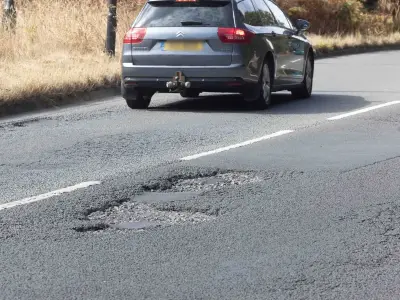
In a statement to Parliament, Chancellor Reeves emphasised the aim for a fair system. "I will ensure that drivers are taxed according to how much they drive and not just by the type of car they own, by introducing Electric Vehicle Excise Duty on electric cars," she stated. "This is because all cars contribute to wear and tear on our roads."
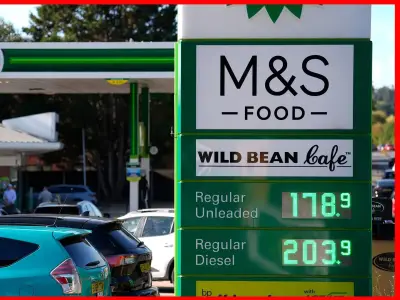
Personal finance experts have provided context, noting that a typical petrol or diesel driver currently pays around £600 per year in fuel duty—more than double the estimated average cost under the new eVED regime. Furthermore, they highlighted that EV insurance premiums have recently fallen, nearly aligning with those for conventional vehicles, which supports the ongoing financial case for electric motoring.
Potential Impact on the Luxury EV Market
However, the new tax has raised concerns within specific sectors of the automotive industry. Leaders in luxury car finance warn that the eVED could slow momentum in the UK's high-end EV market.
Darren Selig, founder of JBR Capital, noted a shift in appetite, stating: "Within the luxury segment, appetite for EVs has already eased - they now account for less than three per cent of our finance agreements, while petrol models have rebounded to 85 per cent in 2025." He suggested the pay-per-mile tax could further reshape the running cost equation for premium electric vehicles.
Kara Gammell, a personal finance expert at MoneySuperMarket, urged drivers to consider the broader picture. "While the introduction of this new tax in April 2028 may feel like a setback for many electric vehicle drivers, it's important to keep the bigger picture in mind," she said. "Even with this additional cost, EVs are still expected to have lower running costs compared to petrol and diesel cars."
She also advised motorists to shop around for the best deals, as individual costs will vary based on driving history, location, and vehicle type. The government's move marks a pivotal step in adapting the nation's tax infrastructure for a post-petrol era, balancing road funding with the continued push towards net-zero transport.