Drivers of electric vehicles (EVs) are set for a significant financial blow following new tax changes announced in the Chancellor's Autumn Budget. Analysis reveals that some EV owners could be £438 worse off per year compared to drivers of equivalent petrol cars.
The New Electric Vehicle Excise Duty Explained
The Labour government, under Chancellor Rachel Reeves, has confirmed a new 3p-per-mile levy for pure battery electric vehicles (BEVs), branded as Electric Vehicle Excise Duty. This charge will be paid upfront based on an estimated annual mileage, on top of the existing Vehicle Excise Duty (VED).
For the average EV driver covering around 8,900 miles a year, this translates to an extra £279 annually from 2028. Plug-in hybrid owners will pay a reduced rate of 1.5p per mile, while full hybrids remain unaffected but will still pay standard VED and fuel duty.
Public Charging Users Hit Hardest
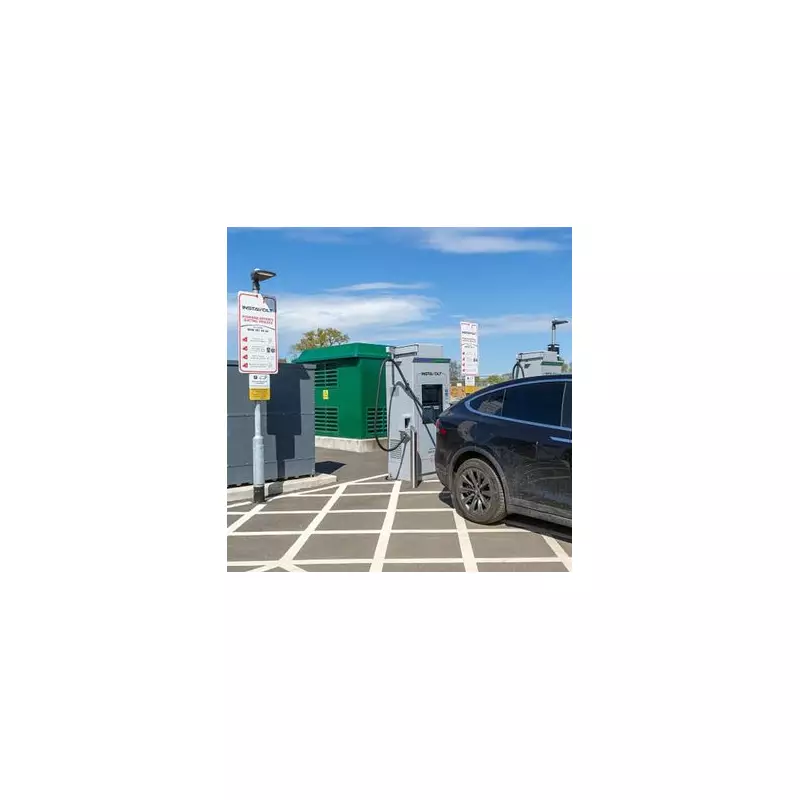
The real financial pain, however, is reserved for EV drivers who cannot charge at home. According to detailed modelling by the website Electrifying.com, the disparity is stark.
A driver of a Volkswagen ID.3 using standard daytime home charging will face total yearly running costs of £898, including VED and the new levy. In contrast, a driver exclusively using public charge points, at typical rates of 60p per kWh, will see their annual costs soar to £1,490.
This creates a £438 annual disadvantage compared to the owner of a fuel-efficient petrol car with similar costs. Ginny Buckley, Chief Executive of Electrifying.com, issued a stark warning: "The drivers at risk are those who rely on public chargers - estimated to be one in four licence holders - who now face paying more per mile than a fuel-efficient petrol car."
Calls for Policy Intervention and VAT Reform
Motoring experts are urging the government to reconsider the impact of the new regime. Ms Buckley called for urgent policy interventions to support the transition to electric transport.
She argued for the reinstatement of the home-charging grant, highlighting that installation "can top £1,000, and that upfront hit needs support." Furthermore, she pointed to a critical VAT inequality, where domestic electricity is taxed at 5% but public charging attracts the full 20% rate. "This unfair gap has to be fixed," she demanded.
The Treasury's plans, confirmed in the Autumn Statement, mean that while EV drivers will begin paying VED (currently £10 first year, then £195) like other motorists, they will also shoulder this additional per-mile burden. The treatment of commercial users, such as vans and haulage vehicles, under the new system remains unclear.
This move marks a significant shift in motoring taxation, moving the financial advantage away from electric vehicles and potentially slowing the uptake of cleaner transport as the UK pursues its net-zero goals.