The Labour Chancellor has unveiled a new pay-per-mile road tax system for electric and plug-in hybrid vehicles, a move immediately criticised as a potential deterrent to green transport. While the initial rates are set at 3p per mile for electric cars and 1.5p per mile for plug-in hybrids, industry experts warn the charges are likely to escalate rapidly, potentially reaching 10p per mile within years.
Details of the New Road Tax Scheme
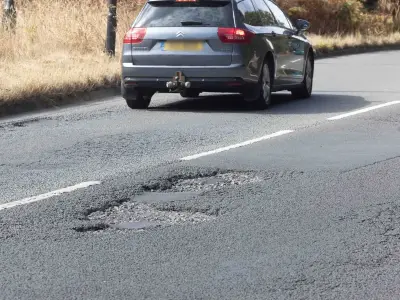
Announced on 24 December 2025, the policy introduces a new excise duty on electric vehicles (EVs), payable in addition to standard Vehicle Excise Duty (VED). The revenue, expected to eventually raise around £1.9 billion annually, is earmarked to help double funding for road maintenance across England. The tax is scheduled to come into effect in 2028.
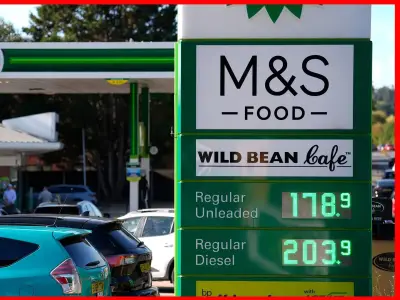
However, the fine print from the independent Office for Budget Responsibility (OBR) suggests the new levy will discourage the uptake of electric cars. This addresses a long-term fiscal issue for the Treasury: declining receipts from traditional fuel duty as the nation transitions to zero-emission vehicles.
Industry Backlash and 'Own Goal' Warning
The announcement has sparked significant concern within the motoring industry. Stuart Masson, editorial director of The Car Expert, branded the policy a "serious own goal" for the government.
He explained that a typical EV driver covering 10,000 miles a year would face an extra £300 in annual costs, coupled with the administrative burden of reporting mileage. "Who can say today what their mileage will be next year with 100 per cent certainty?" Masson questioned.
He issued a stark warning about future increases: "It is clearly the thin end of the wedge. A 3p levy today will become 4p, then 5p, then 10p. This will deter EV buyers right now, even though the tax does not arrive until 2028."
OBR Leak and Political Fallout
The policy revelation was accompanied by controversy after the OBR's critical economic and fiscal outlook document was published prematurely before the official budget. Chancellor Rachel Reeves labelled the early release a "deeply disappointing and a serious error," for which the watchdog accepted full responsibility.
In a heated political response, Shadow Chancellor Mel Stride called the leak "utterly outrageous" after months of speculation, suggesting it may even "constitute a criminal act." The OBR apologised, describing the incident as a "technical error" and confirming an internal investigation had been launched.
The new tax plan marks a significant shift in how road use is funded in the UK, moving away from a system based on fuel consumption to one directly tied to distance travelled. While aimed at securing future infrastructure funding, its impact on consumer confidence and the nation's EV transition remains a contentious and critical issue.