Chancellor Rachel Reeves's flagship plan to introduce a pay-per-mile tax for electric vehicles has been hit with a stark legal warning: it could breach motorists' human rights. The proposed levy, set to start in 2028, would see drivers charged for every mile recorded on their car's odometer, a system legal experts argue is open to court challenge.
Legal Experts Warn of Judicial Review
Andrew Sanderson, a lawyer at the firm Kingsley Napley, has highlighted the potential for the policy to be challenged through a judicial review. The core issue is the proposal to tax all miles driven, including those on roads in France, Spain, or other countries outside the UK. Mr Sanderson stated this undermines the government's stated aim of using the revenue to maintain and improve UK roads.
"Taxing miles driven in France or elsewhere, which plainly contribute nothing to the wear and tear on UK infrastructure, risks undermining that rationale," he explained. "It could be portrayed as an arbitrary revenue-raising mechanism, rather than a targeted road-use charge."
Human Rights and 'Peaceful Enjoyment' Concerns
The legal critique extends to fundamental rights. Mr Sanderson pointed out that while taxation is permitted, it must pursue a legitimate aim and strike a fair balance. "Individuals are entitled to peaceful enjoyment of their possessions," he said. A scheme that requires drivers to pay for foreign mileage, with no clear link to the benefit being funded, could be argued to upset that balance.
Adam Craggs of law firm RPC noted that while primary legislation can be challenged under the Human Rights Act, UK courts are typically reluctant to interfere with taxation policies. This approach was recently tested, albeit unsuccessfully, by those challenging VAT on private school fees.
The Detail of the Proposed Charges
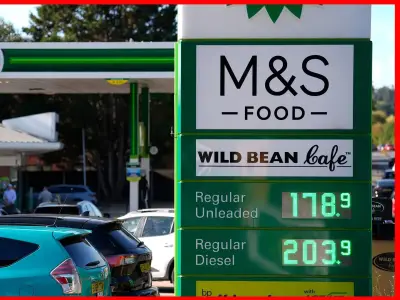
The Labour government's plan, announced earlier, is designed to replace lost fuel duty revenue as drivers switch to electric cars. Under the scheme:
- Drivers of fully electric cars will face a charge of 3p per mile from 2028.
- Owners of plug-in hybrid vehicles will be charged at a rate of 1.5p per mile.
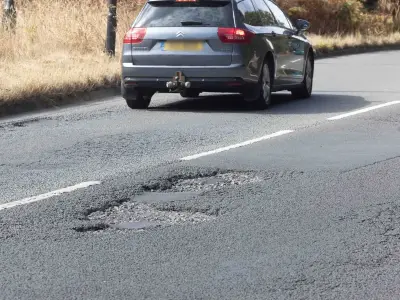
The government has said the revenue will "support investment in maintaining and improving the condition of roads across the country." However, industry voices like Lash Saranna of salary sacrifice firm EZOO warn that a direct per-mile charge creates far more complexity than the previous system where fuel duty acted as an indirect road tax.
With the policy not due for implementation for several years, these early legal warnings signal significant hurdles ahead for the Chancellor's controversial road pricing strategy.