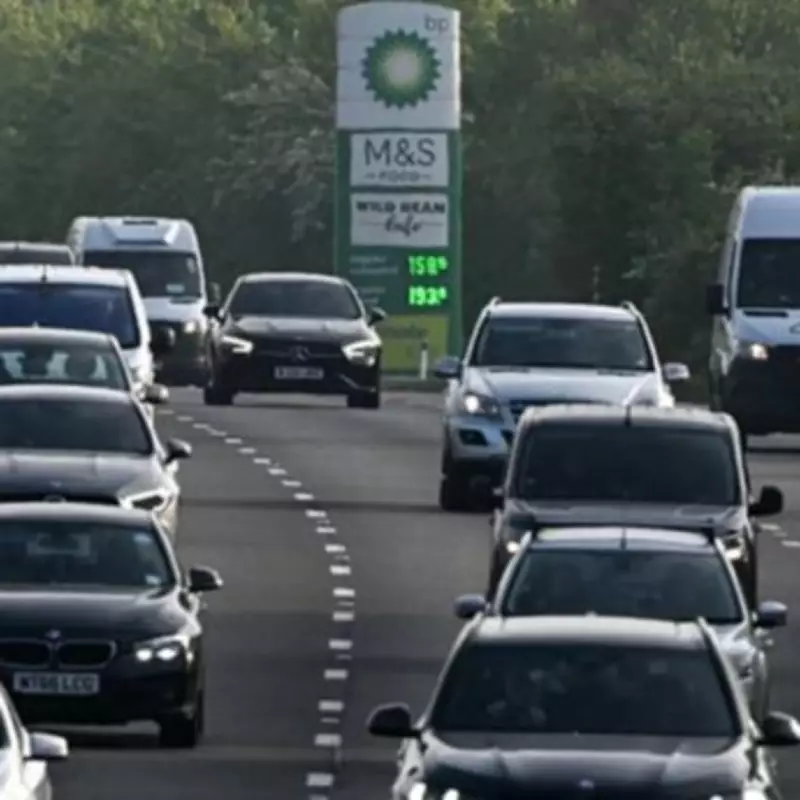
Labour is being urged to reduce the national speed limit on motorways in England from 70mph to 60mph as part of efforts to avert a fuel crisis triggered by the ongoing conflict in Iran. Gordon Wallis, from fuel supplier Interfuels, has highlighted the potential benefits of such a measure as tensions in the Gulf continue to disrupt global oil supplies.
Fuel Efficiency Gains
Wallis explained that cutting motorway speeds could lead to a significant reduction in fuel consumption. "Fuel use increases significantly at higher speeds, so even a relatively small reduction can lead to noticeable savings," he said. "In a supply crunch, these marginal gains become much more important." He added that reducing speeds from 70mph to around 60mph could improve fuel efficiency by roughly 10 per cent, depending on the vehicle. "For longer journeys, that translates into real savings, even if they appear modest on a single trip."
Preventing Panic-Buying
Wallis also emphasised the importance of clear communication to prevent panic-buying, which can exacerbate shortages. "Shortages can escalate quickly if public confidence drops," he warned. "Panic-buying accelerates the problem and brings forward the point at which restrictions become necessary." He suggested that working from home, even partially, is another effective way to reduce fuel consumption. "Fewer commutes mean lower overall demand, which helps stabilise supply during periods of strain."
Transparent Messaging
Wallis stressed the need for transparent messaging from the government. "Clear guidance helps prevent unnecessary demand spikes," he said. "If people understand the situation and trust the response, they are less likely to rush to fill up." He noted that the current crisis highlights the UK's vulnerability to global energy shocks. "This situation highlights how exposed the UK remains to global energy shocks. Practical steps like reducing speed limits, combined with transparent messaging, can make a meaningful difference in managing both supply and public behaviour."
Economic Impact
The call comes as UK inflation accelerated to 3.3% in March, driven by the biggest jump in fuel prices for more than three years following the Iran war. Grant Fitzner, the ONS chief economist, commented: "Inflation climbed in March, largely due to increased fuel prices … Air fares were another upward driver this month, alongside rising food prices."