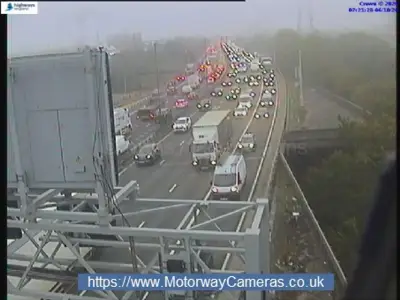
Thousands of motorists in the UK could be in line for compensation after a major software error led to them being incorrectly prosecuted for speeding on smart motorways.
The Glitch That Lasted Nearly Four Years
The widespread problem was triggered by a software update from National Highways back in January 2021. This update created a critical delay in communication between the variable speed limit signs on gantries and the enforcement cameras meant to monitor them.
This technical anomaly meant that a driver could be travelling at a legal speed when they passed a gantry sign, but by the time the signal reached the camera, the limit might have changed, leading to an incorrect speeding accusation. The error has been operational for nearly four years.
Scale of the Mistake and Compensation Scheme
National Highways has estimated that at least 2,656 drivers were wrongly accused of breaking the speed limit when they were, in fact, driving legally. The cameras affected are the HADECS 3 units used on all smart motorways and some major A-roads with variable speed limits.
A compensation scheme is now being established for those impacted. Drivers who received fines of between £100 and £2,500, were compelled to attend speed awareness courses, or even faced driving bans as a result of the fault will be eligible.
Official Apologies and Future Safeguards
Nick Harris, the chief executive of National Highways, has issued a public apology. He stated: "Safety is our number one priority, and we have developed a fix for this technical anomaly to maintain the highest levels of safety on these roads and make sure no one is wrongly prosecuted."
He assured the public that all drivers should continue to observe posted limits as normal, and that anyone affected will be contacted directly by their relevant police force.
A spokesperson for the National Police Chiefs' Council confirmed that policing partners are working with National Highways to identify and contact the "very limited number of motorists" impacted. They emphasised that the issue is now resolved for future enforcement.