Edinburgh's Landmark Parking Ban Results in Thousands of Penalties
Edinburgh has become the first Scottish city to implement a comprehensive pavement parking prohibition, resulting in significant enforcement action over the past two years. Since the ban's introduction, authorities have issued penalty notices to thousands of motorists who have continued to park on footpaths.
Enforcement Statistics Reveal Scale of Compliance Challenge
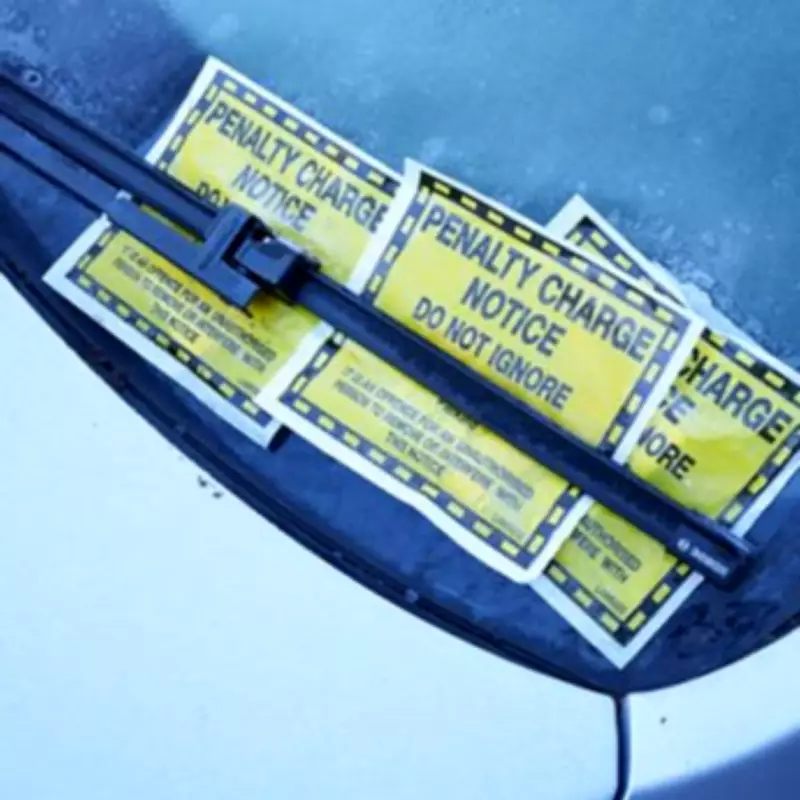
The City of Edinburgh Council has disclosed that enforcement officers have issued 9,467 Penalty Charge Notices to drivers since the pavement parking ban took effect on January 29, 2024. This represents nearly ten thousand motorists who have received fines for violating the new regulations designed to clear footpaths for pedestrians.
Under the established rules, drivers caught parking on pavements face an immediate £100 penalty, though this amount can be reduced to £50 if paid within the first fourteen days of issue. The council reports that this financial deterrent has been instrumental in changing driver behaviour across the city.
Council Officials Highlight Safety Improvements
Councillor Stephen Jenkinson, who serves as Transport and Environment Convener for Edinburgh, explained the rationale behind the enforcement measures. "Since we first introduced these changes two years ago, we've seen drivers changing their parking habits accordingly, with the problem of pavement parking disappearing in many streets across Edinburgh," he stated.
Jenkinson emphasised that the primary motivation for the ban was to "provide a safe and accessible environment for everyone, especially those with sight impairments, mobility issues or pushing buggies." His comments reflect the council's commitment to creating more inclusive public spaces throughout the Scottish capital.
Positive Impact on Vulnerable Pedestrians
David Hunter, group convener for the initiative, described the parking regulations as "the most significant change to make Edinburgh a safer and more attractive city for pedestrians since the introduction of widespread 20mph speed limits." This comparison underscores the transformative potential that council officials believe the parking restrictions possess.
Niall Foley, external affairs manager at Guide Dogs Scotland, provided crucial perspective from the visually impaired community. "People with sight loss tell us they can now get out and about in the capital more safely, without the fear of being forced onto the road by inconsiderate parking," he reported. "We're pleased to be celebrating two years of boosting the independence and safety of all pedestrians."
National Policy Context and Future Implications
The Edinburgh initiative occurs within a broader national framework of pedestrian safety improvements. Lilian Greenwood, Labour Party Local Transport Minister, commented on the wider significance of such measures. "Clear pavements are essential for people to move around safely and independently, whether that's a parent with a pushchair, someone using a wheelchair, or a blind or partially sighted person," she explained.
Greenwood added that national authorities are "giving local authorities the power to crack down on problem pavement parking, allowing more people to travel easily and safely and get to where they need to go." This statement suggests that Edinburgh's pioneering approach may serve as a model for other municipalities considering similar pedestrian safety measures.
The two-year enforcement period has demonstrated both the challenges of changing established parking behaviours and the tangible benefits for vulnerable road users. As Edinburgh continues to refine its approach to pavement parking enforcement, other cities across the United Kingdom will undoubtedly be monitoring the outcomes with considerable interest.