Sweeping changes to parking charges in Liverpool city centre are being blamed for a significant drop in trade, with local business owners describing the new rules as 'detrimental to business' and warning that the upcoming Christmas season will be a critical test for their survival.
Businesses Struggle with Extended Parking Hours
The controversial overhaul, described as the biggest shake-up to tariffs in over a decade, was confirmed by Liverpool City Council in May 2025. Despite nearly 90% of consultation respondents opposing the move, councillors proceeded with extending parking charges until 11pm, arguing it would standardise parking across the city centre.
The changes mean drivers can no longer park for free on city streets after 6pm, a significant shift from the previous arrangements. The decision originates from a review of the Controlled Parking Zone (CPZ) conducted back in 2018, with formal consultations taking place in 2022 and 2023.
Hope Street Hospitality Hit Hard
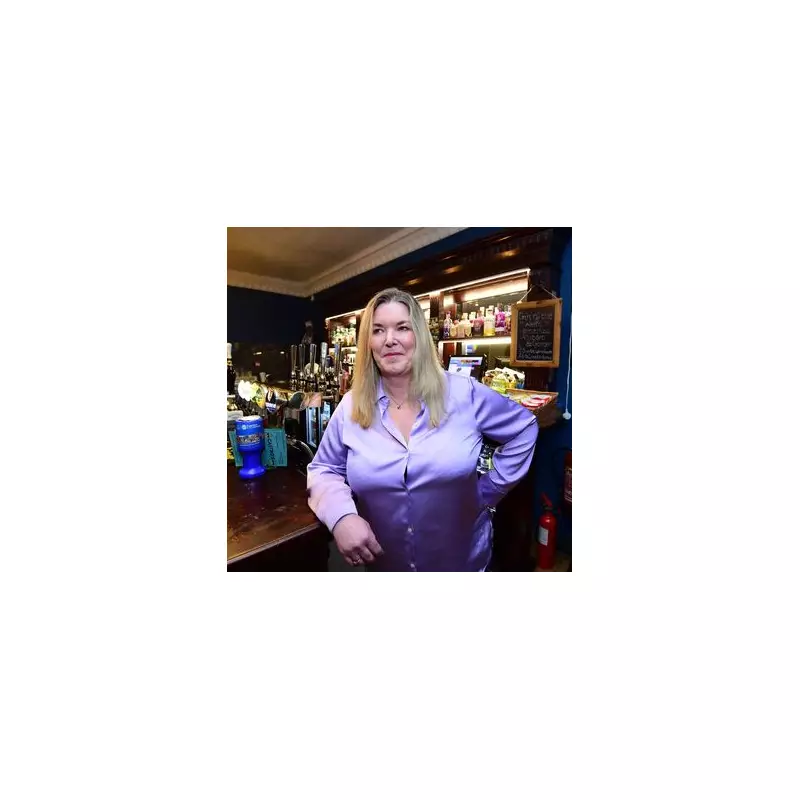
Business proprietors around Hope Street, a cultural hub known for its restaurants and theatres, report feeling the impact just three months after the changes were introduced. Fiona Hornsby, who operates The Denbigh Castle, Bridewell, and Pen Factory venues, revealed the pre-theatre crowd has 'completely dropped off'.
'Now the time has changed, it doesn't give people long enough,' Ms Hornsby said. 'You can't just walk out of the theatre to put extra money in, can you? Hospitality is suffering under so much pressure already.'
She admitted that had she known about the parking charge changes beforehand, she might have reconsidered taking on The Pen Factory venue last year. 'I just think it's really short-sighted,' she added, noting that Christmas trading will be the 'big tell' for many businesses.
Wider Impacts on Staff and Entertainment
Matt Haycox, General Manager at The Pen Factory, reported that the charges have affected both customer numbers and entertainment bookings. 'We're forever trying to get people. It also impacts staff,' he explained, noting that musical acts now face higher costs to bring their equipment into the city centre.
Gary Manning, who has operated businesses around Hope Street for more than 20 years including 60 Hope Street and The Quarter, confirmed the negative impact. 'It's detrimental to business, we're down on numbers and table times because it's now until 11pm,' he said.
Mr Manning observed that customers are changing their behaviour, staying for shorter periods, ordering fewer courses, and drinking less. He also highlighted the employment consequences, stating that businesses have already reduced shifts and employee numbers in response to the challenging conditions.
Mark Da Vanzo, Director of Hope Street CIC, acknowledged that while the community understood the need to raise revenue, they had suggested alternative approaches. 'What we suggested was a flat evening rate which meant people could stay as long as they like,' he said, emphasising the unique challenges of Hope Street's limited parking options.
A Liverpool Council spokesperson responded to the concerns, stating: 'We acknowledge the concerns raised by several businesses regarding the impact of the new parking measures, and we are actively listening to all feedback.' The council confirmed that a comprehensive review of the scheme is scheduled for next year.
For Hope Street businesses, the Christmas period now carries extraordinary weight, with many relying on seasonal trade to sustain them through the traditionally quiet months of January and February.