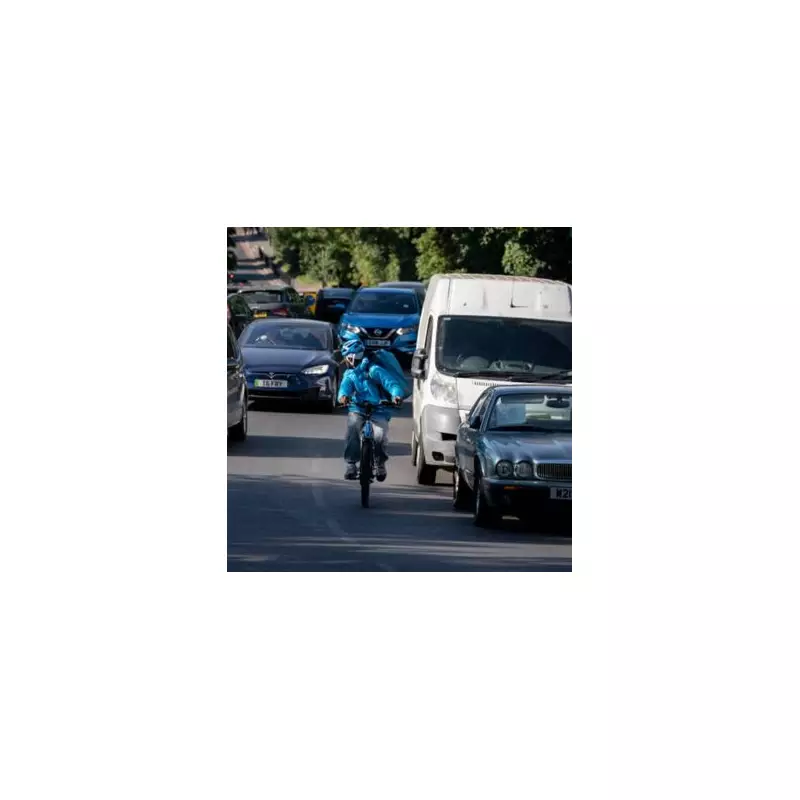
Motorists in the capital are now facing higher costs for driving in central London, following a significant rule change that came into effect today.
New Charges and Electric Vehicle Incentives
The daily Congestion Charge has risen from £15 to £18, effective from 2 January 2026. This marks the first increase to the charge since 2020, and the £3 daily hike translates to an additional £21 per week for drivers who commute into the zone every weekday. City Hall has emphasised that this increase is below the current rate of inflation.
Alongside the rise, a new structure of discounts for cleaner vehicles has been launched. The changes are being introduced in two phases:

Phase One (from 2 January 2026): A 50% discount will be available for electric vans, HGVs, and quadricycles registered for TfL's Auto Pay system. Electric cars, including Private Hire Vehicles, registered for Auto Pay will receive a 25% discount.
Phase Two (from 4 March 2030): The discount for electric vans, HGVs and quadricycles will reduce to 25%, while the discount for electric cars and PHVs will be lowered to 12.5%.
Official Justification for the Increase
Labour Mayor Sadiq Khan defended the decision, stating that managing traffic congestion is vital for London's economy and quality of life. He warned that without the increase, an estimated 2,200 more vehicles would enter the charging zone on an average weekday next year.
"We must support Londoners and businesses to use more sustainable travel," said Mayor Khan. "I'm pleased that substantial incentives will remain in place for Londoners who switch to cleaner vehicles, as we work to build a greener and better London for everyone."
Christina Calderato, TfL's Director of Strategy, added: "The changes to the Congestion Charging scheme play a key role in allowing us to keep traffic under control, while striking a careful balance that enables drivers, businesses and other organisations to continue transitioning to cleaner vehicles."
Reaction from Campaign Groups
The move has received support from environmental and health campaigners. Izzy Romilly, Sustainable Transport Manager at the charity Possible, welcomed the link between the charge and public transport fares, saying it ensures public transport does not become disproportionately more expensive than driving.
Jemima Hartshorn of the clean air group Mums for Lungs also praised the increase. "Almost half of London's households don't have a car and while tube and rail fares increase regularly, this charge hasn't been increased for 6 years," she said. "London is still far too polluted and there are too many cars in central London causing congestion."
She highlighted that over 120,000 children were hospitalised with breathing difficulties last year, calling the announcement "another good step" towards cleaner air.