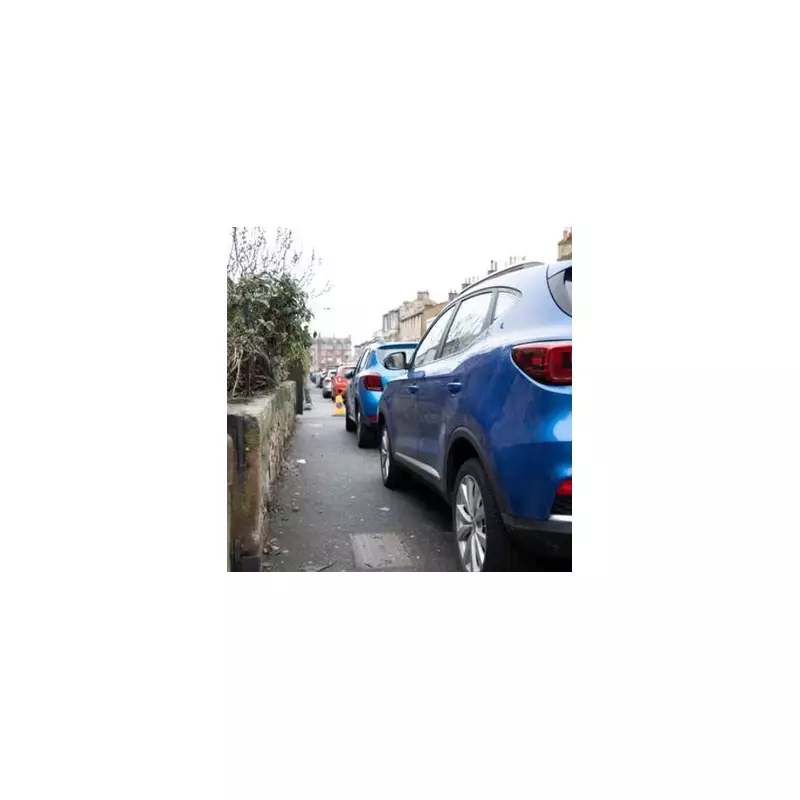
The Government has announced a significant shift in road policy, confirming that a nationwide pavement parking ban will be implemented across England. This move, forming a key part of Labour's road safety strategy, comes years after a ban was first proposed and will grant local authorities tougher, streamlined powers to tackle the issue.
New Powers for Local Councils
Under the new framework, councils will be empowered to outlaw pavement parking across large areas, with a particular focus on busy roads and town and city centres where obstruction causes the most significant problems. The process for applying these powers, which has historically been bogged down in red tape, is being simplified to make it quicker and easier for authorities to act.
Local Transport Minister Lilian Greenwood stated: "Clear pavements are essential for people to move around safely and independently, whether that’s a parent with a pushchair, someone using a wheelchair, or a blind or partially sighted person. That’s why we’re giving local authorities the power to crack down on problem pavement parking."

Targeted Enforcement and Fines
Enforcement is not expected to be uniform on every single street. Councils will be able to select the specific areas where the rules apply, meaning quieter residential streets are likely to remain unaffected unless there are specific local safety concerns. This targeted approach mirrors how authorities currently police restrictions like double yellow lines.
Council officers are anticipated to concentrate their efforts where pavement parking creates major hazards. Financial penalties will be introduced for offenders, though the level of fine may depend on the severity of the obstruction, with warnings a possibility for some motorists initially.
A Victory for Safety Campaigners
The announcement follows sustained pressure from campaigners who have long argued that pavement parking endangers vulnerable pedestrians, including:
- Disabled people
- The elderly
- Parents with young children in pushchairs
By clearing footpaths, the Government aims to create a safer and more accessible environment for all. Guidance on how councils can apply for the new powers is set to be issued later this year, paving the way for the nationwide ban to come into force.