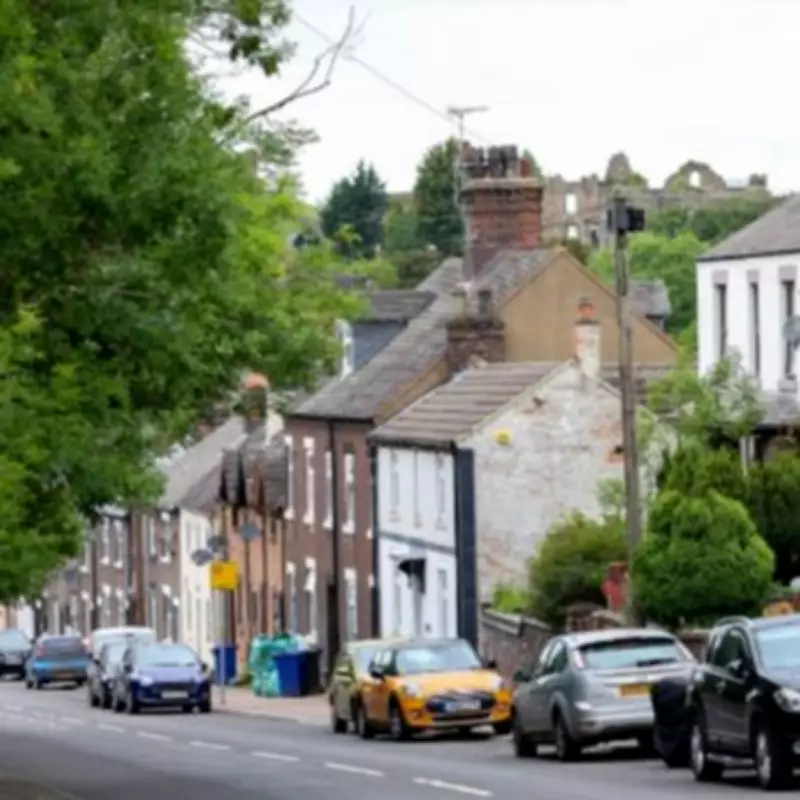
Parking disputes between neighbours represent one of the most common sources of residential tension across the UK. Many drivers operate under significant misconceptions about their rights to the road space directly outside their property, leading to unnecessary conflicts and frustration.
The Myth of 'Ownership' Over Road Space
A widespread belief persists among homeowners that they possess some form of ownership or priority over the section of public highway adjacent to their home. This assumption often fuels anger when another vehicle occupies that space. However, legal experts emphasise that this perception is fundamentally incorrect in the vast majority of situations.
Simarjot Singh Judge, a legal expert at Judge Law, provides crucial clarification: "The vast majority of people believe they have some kind of ownership or priority over the road outside their home, but in most cases, that simply isn’t true. If it’s a public highway and there are no restrictions in place, anyone is legally entitled to park there."
What Actually Determines Legality?
The core principle governing parking on public roads is accessibility and obstruction, not personal preference or tenure. Key legal considerations include:
- Public Highway Status: Unless specific parking restrictions, such as permit zones or yellow lines, are formally in place, the space is available to any motorist.
- Driveway Access: It is illegal to block access to a driveway that features a dropped kerb. This constitutes obstruction.
- Emergency Vehicle Access: Parking must not prevent access for emergency services.
- Local Restrictions: Any clearly marked local parking rules must be obeyed.
Judge further explains: "People often think because they pay council tax or have lived there for years, the space is somehow theirs. Legally, it isn’t. It’s public road space available to any motorist."
When Does a Dispute Become a Legal Issue?
While mere inconvenience or personal annoyance does not create a legal claim, certain actions cross into unlawful territory. The expert highlights that the key issue is obstruction.
"If a vehicle blocks access to a driveway with a dropped kerb, prevents access for emergency vehicles, or ignores local parking restrictions, that becomes a legal issue," states Judge.
In more severe cases, persistent problematic parking could potentially be addressed under antisocial behaviour laws, but this requires evidence of deliberate intent to harass or intimidate, establishing a relatively high legal threshold.
The Importance of Courtesy Over Assumed Rights
Many neighbour disputes escalate unnecessarily due to entrenched but incorrect assumptions about parking rights. The legal framework is clear in separating social courtesy from enforceable rights.
"The law doesn’t recognise personal preference when it comes to public road space. Courtesy is one thing, legal rights are another," concludes Judge. "In many cases, disputes escalate simply because people assume a right that doesn’t exist."
Understanding these distinctions can help prevent conflicts, encouraging neighbours to focus on considerate parking practices within the actual boundaries of the law, rather than on perceived entitlements that have no legal foundation.