The UK Government is poised to introduce a sweeping ban on pavement parking across England, a move that would fundamentally alter the daily routines of millions of drivers.
What the Proposed Ban Means for Motorists
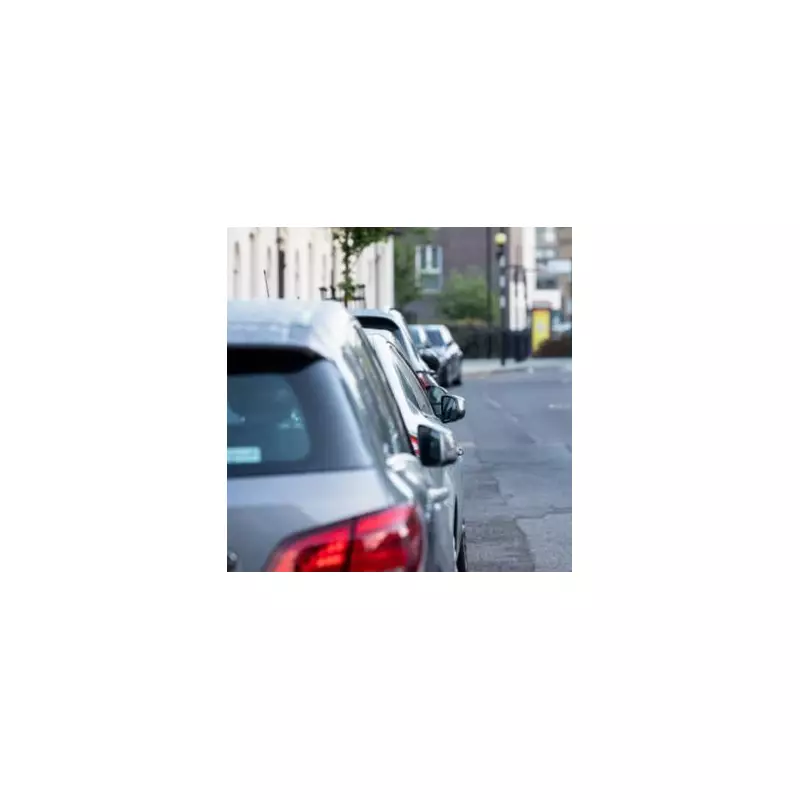
While blocking the pavement entirely is already discouraged, the common practice of partially mounting the kerb to park is a daily occurrence for countless motorists. This is especially prevalent on narrow residential streets where space is limited. Drivers often do this to avoid obstructing the flow of traffic and to prevent their vehicles from being sideswiped by passing cars.
The Government has been conducting a review and ministers have publicly stated they favour a nationwide prohibition. A final decision, which has been promised for months, is expected to be announced shortly. This issue has been under consideration by successive Conservative governments for years, but a definitive resolution has been repeatedly delayed.
Safety Concerns vs. Practical Realities
Proponents of the ban argue that it is essential for improving safety for vulnerable pedestrians. This includes people with disabilities, parents with pushchairs, and the elderly, who often find their path completely blocked by inconsiderately parked cars, forcing them onto the road.
However, significant questions remain about the implementation of such a ban. It is currently unclear whether the power to enforce the rules will be delegated to individual local councils and, crucially, how effectively small side streets would be monitored.
A Nationwide Impact on Daily Life
Andy Syrett, UK managing director at YourParkingSpace, highlighted the scale of the potential change, stating: "This is a live issue that affects almost every street in the country."
He added: "If a nationwide ban is introduced, it would mean a major change to how millions of people park their cars – and live their daily lives. There’s strong support for safer, more accessible pavements. But it’s clear many drivers are worried about the disruption, especially in built-up areas where space is already tight."
The impending announcement will mark a critical juncture for urban planning and road safety in England, balancing the needs of pedestrians against the practical challenges faced by motorists.