Motorists in Reading will encounter new parking regulations from Monday morning as the local authority implements an innovative emission-based charging system designed to tackle environmental concerns.
Emission-Based Parking Scheme Launches
Reading Borough Council will introduce the new parking framework from Monday, February 2, marking a significant shift in how parking fees are calculated across the town. The Labour-run council has confirmed that the revised rates will apply to both street pay-and-display parking and residents' parking permits, creating a comprehensive approach to vehicle management.
Environmental Motivation Behind Changes
In an official statement, council representatives explained that the scheme forms a crucial component of their broader environmental strategy. The local authority stated: "The scheme is part of the council's drive to reduce carbon emissions and improve air quality in Reading for the health and well-being of residents." This initiative aligns with Reading's ambitious target to achieve carbon neutrality by 2030, a goal that councillors formally approved last November.
How the New System Operates
The charging mechanism employs a sliding scale directly linked to each vehicle's carbon dioxide output, creating six distinct emissions categories:
- 0 – 150g/km
- 151 – 170g/km
- 171 – 190g/km
- 191 – 225g/km
- 226 – 255g/km
- Over 255g/km
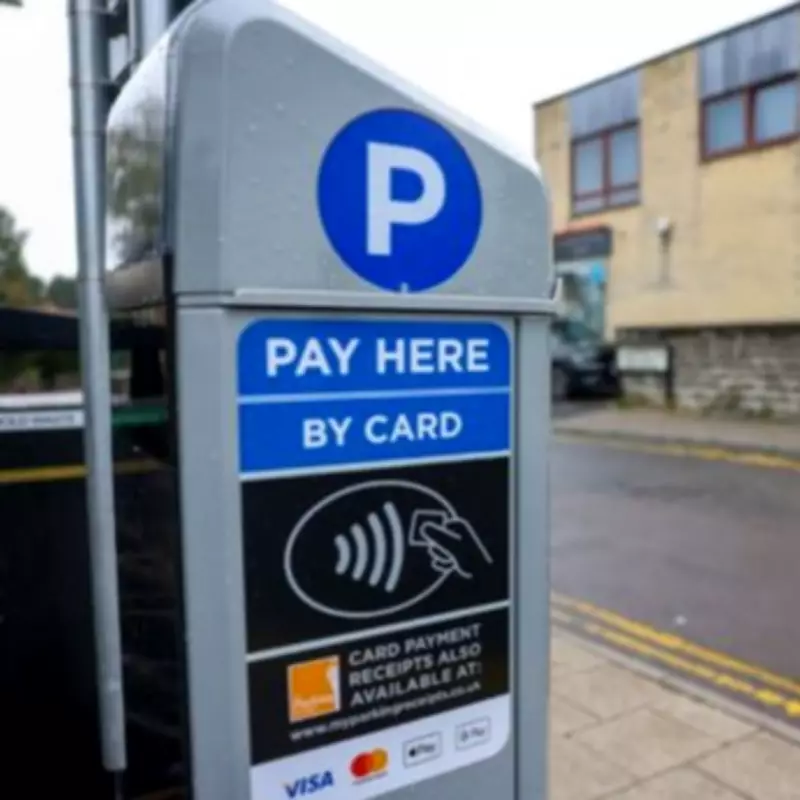
Motorists will need to input their vehicle registration number when paying through new parking machines or via the pay-by-phone system, allowing the technology to automatically determine the appropriate fee based on emissions data from the DVLA database.
Financial Impact on Drivers
Council projections indicate that approximately half of all vehicles will fall into the lowest emissions category and consequently experience no change in parking costs. A further twenty-five percent will occupy the first band above the threshold, facing only minimal increases. The authority specifically noted that charges will only rise for petrol or diesel vehicles emitting more than 151g/km of CO₂.
While electric, hybrid, and lower-emission vehicles will still require payment for parking, they will benefit from reduced rates compared to more polluting alternatives. The council emphasised that these adjustments are not expected to dramatically alter behaviour immediately, stating: "It is not expected that these changes will change people's choices overnight. They are designed to encourage people to think about their choices when purchasing a new vehicle or making a short journey."
Practical Considerations for Motorists
Drivers can ascertain their vehicle's specific CO₂ emissions by entering their registration details on the official DVLA website, providing transparency about which category their car or van will occupy. This system applies comprehensively to all vehicles using Reading's parking infrastructure, including both private cars and commercial vans operating within the borough.
The introduction of emission-based parking represents a forward-thinking approach to urban transport management, balancing environmental objectives with practical considerations for residents and visitors alike. As Reading implements this scheme, it joins a growing number of local authorities adopting similar measures to address climate concerns while managing urban mobility.